
Language

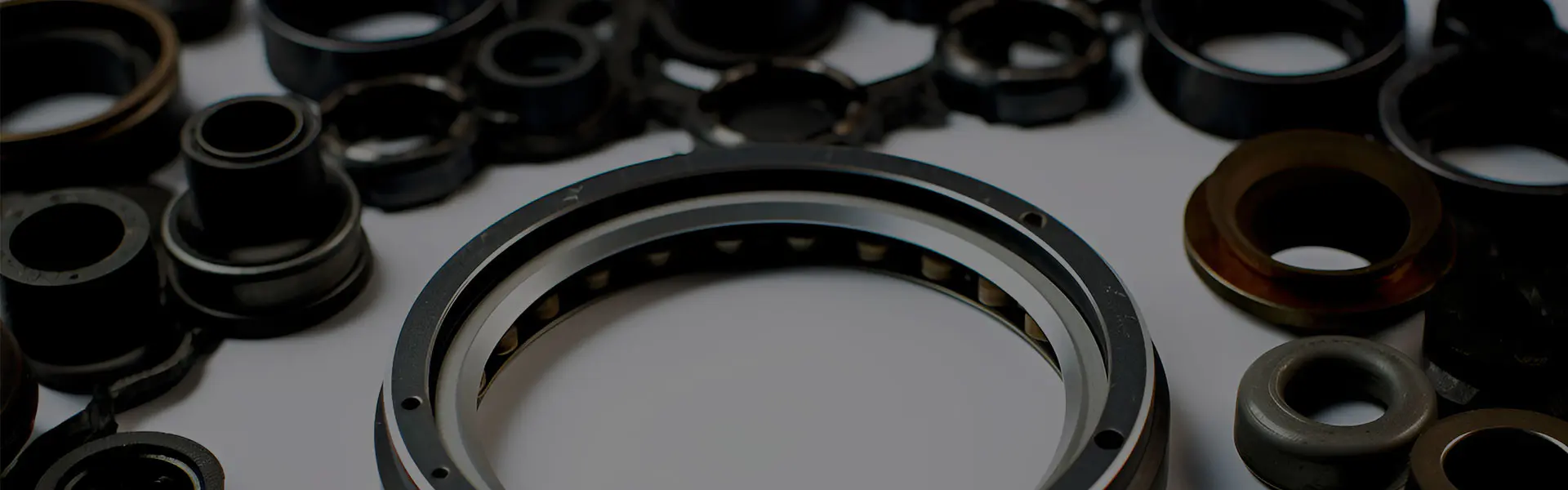
What are the key differences between expanded graphite and flexible graphite gaskets? If you're a purchaser sourcing sealing solutions, you've likely encountered these terms. The confusion is real, and choosing the wrong material can lead to leaks, downtime, and costly replacements. At its core, the distinction lies in their manufacturing and structure. Expanded graphite gaskets are made from exfoliated graphite flakes compressed into sheets, offering excellent thermal conductivity and chemical resistance. Flexible graphite gaskets, often used interchangeably but sometimes referring to a more processed form, typically denote material with added binders or reinforcement for enhanced handling and creep resistance. Understanding these nuances is crucial for selecting the right gasket for high-temperature flanges, corrosive chemical services, or demanding industrial applications. Let's dive into a detailed comparison to clarify your sourcing decisions.
Imagine you're finalizing a purchase order for a refinery's maintenance shutdown. The spec sheet calls for a "graphite gasket," but suppliers offer both expanded and flexible options. The wrong choice could mean a gasket that cold flows under bolt load or degrades in acidic service, leading to a safety incident and project delays. The key is understanding the base material. Pure expanded graphite is binder-free, made by thermally expanding natural graphite flakes. This process creates a material that is highly conformable, thermally conductive, and chemically inert to most media. However, its very softness can be a handling challenge. This is where products from specialists like Ningbo Kaxite Sealing Materials Co., Ltd. provide value, offering engineered solutions that enhance the natural properties of graphite for specific industrial challenges.

The solution for purchasers is to look beyond the generic name. Specify based on the required performance. For pure, high-temperature sealing in inert atmospheres, a pure expanded graphite gasket is superior. For applications requiring better mechanical strength, cut-ability, or reduced creep, a flexible graphite with minor impregnation or a composite material is ideal. Ningbo Kaxite Sealing Materials Co., Ltd. can guide you through this selection with technical data sheets and application expertise, ensuring the material not only meets but exceeds the operational demands.
| Parameter | Expanded Graphite (Pure) | Flexible Graphite (Enhanced) |
|---|---|---|
| Primary Composition | 100% exfoliated graphite, no binders | Graphite with resins/anti-oxidants or reinforcement |
| Temperature Range (Continuous) | -200°C to 450°C (inert), up to 3000°C short term | -200°C to 400°C (oxidizing), higher with special treatments |
| Chemical Resistance | Excellent, except strong oxidizing agents | Excellent, can be tailored with impregnations |
| Creep Relaxation | Higher (softer material) | Lower (improved by additives) |
| Typical Form | Sheets, tapes, die-formed rings | Sheets, tapes, often with metal foil or wire mesh inserts |
The scene shifts to a procurement manager evaluating long-term total cost of ownership. A cheaper gasket fails prematurely, causing unplanned downtime that far outweighs the initial savings. The technical differences between expanded and flexible graphite directly impact lifespan and reliability. Pure expanded graphite has a lower density and higher recovery, making it excellent for sealing irregular surfaces. However, in oxidizing atmospheres above 400°C, it can begin to oxidize without protection. Flexible graphite formulations often include oxidation inhibitors, extending service life in hot air or steam applications. Furthermore, the addition of binders increases tensile strength, making the gasket less prone to tearing during installation, a common pain point for maintenance crews.
Ningbo Kaxite Sealing Materials Co., Ltd. addresses this by providing not just materials, but full material specifications. Their technical support helps you match the gasket's antioxidant level, density, and reinforcement type to your specific operating environment. For instance, their reinforced flexible graphite gaskets combine the sealing benefits of graphite with the mechanical strength of a metal core, solving problems of high bolt load and flange rotation in heat exchangers.
| Performance Aspect | Expanded Graphite (Pure) | Flexible Graphite (Treated/Reinforced) |
|---|---|---|
| Oxidation Resistance | Lower in air above 400°C | Higher due to inhibitors (e.g., phosphate) |
| Sealing Stress Required | Lower (high conformability) | Moderate to High (depends on formulation) |
| Tensile Strength | Lower (5-20 MPa typical) | Higher (15-40 MPa, much higher with metal insert) |
| Compression Set | Excellent recovery | Good to Excellent, can be optimized |
| Best For | Vacuum furnaces, inert gas, corrosive chemicals | Steam, hot oil, flue gas, high-pressure services |
You're sourcing for a chemical processing plant with a mix of heat exchangers, pump flanges, and reactor manways. Each presents a different challenge: thermal cycling, aggressive acids, or high bolt stress. A one-size-fits-all graphite gasket doesn't exist. For heat exchanger gaskets experiencing constant thermal cycling, a flexible graphite with a tanged metal core (like the one pictured) offers the perfect balance: the graphite seals microscopically imperfections while the metal provides blow-out resistance and handles differential expansion. For a sulfuric acid line, a pure, high-purity expanded graphite gasket is often the best choice due to its outstanding chemical inertness.
The solution is a systematic selection process. Ningbo Kaxite Sealing Materials Co., Ltd. assists purchasers by providing clear application guides. They help cross-reference service conditions—media, temperature, pressure, flange type—with their product portfolio, which ranges from pure expanded graphite sheets to complex spiral-wound gaskets with flexible graphite filler. This partnership approach ensures procurement efficiency and plant reliability.
| Application Scenario | Recommended Gasket Type | Key Reason | Kaxite Product Example |
|---|---|---|---|
| High-Temperature Steam (Power Plant) | Flexible Graphite with Anti-Oxidant | Resists oxidation, maintains seal | KG Series Flexible Graphite Sheet |
| Aggressive Acid Service (Chemical Plant) | Pure Expanded Graphite | Superior chemical resistance | High Purity Expanded Graphite Foil |
| Heat Exchanger (Oil & Gas) | Metal Reinforced Flexible Graphite | Handles pressure, temperature cycles | Tanged Metal Reinforced Gasket |
| High Pressure Flanges | Spiral Wound with Graphite Filler | Excellent recovery and bolt load retention | SWG Series Spiral Wound Gaskets |
Q: What are the key differences between expanded graphite and flexible graphite gaskets in terms of cost?
A: Initially, pure expanded graphite sheets can be less expensive per square meter. However, the total installed cost favors flexible graphite with enhancements for most industrial applications. Flexible graphite's better handling, higher strength, and often superior oxidation resistance reduce installation errors and increase service life, lowering the total cost of ownership. Ningbo Kaxite Sealing Materials Co., Ltd. provides cost-benefit analysis to help purchasers justify the optimal material choice.
Q: What are the key differences between expanded graphite and flexible graphite gaskets when it comes to FDA or drinking water compliance?
A: This is critical for food, pharma, and water treatment procurement. Pure, high-quality expanded graphite made from natural flake graphite is often compliant as it contains no binders. Flexible graphite grades intended for these services use FDA-approved impregnants or are specially washed. It is essential to request certified test reports. Ningbo Kaxite Sealing Materials Co., Ltd. offers compliant grades with full traceability and documentation for regulated industries.
Selecting the right graphite gasket material is a technical decision with significant commercial implications. By understanding the core differences between expanded and flexible graphite, you can specify with confidence, avoid costly failures, and ensure plant safety and efficiency.
For over two decades, Ningbo Kaxite Sealing Materials Co., Ltd. has been a trusted global supplier, empowering procurement professionals with precisely this kind of expertise. We don't just sell gaskets; we provide sealing solutions backed by deep material science and application engineering. Let us help you navigate your next sealing challenge. Reach out to our technical sales team at [email protected] for personalized support, samples, and quotations.
Chen, J., & Yang, R. (2018). Preparation and characterization of high-temperature resistant expanded graphite composites for sealing applications. Journal of Materials Science, 53(15), 11234-11245.
Smith, L., & Zhao, H. (2020). Oxidation inhibition mechanisms in flexible graphite gasketing materials. Carbon, 167, 322-330.
Peterson, A. R., et al. (2019). Creep relaxation behavior of reinforced graphite gaskets under simulated flange loading. International Journal of Pressure Vessels and Piping, 178, 103997.
Kim, S., & Davies, M. (2021). Comparative study on the chemical resistance of pure vs. impregnated graphite foils in acidic and alkaline environments. Sealing Technology, 2021(5), 7-12.
Wu, F., et al. (2017). Thermal conductivity enhancement of expanded graphite sheets for heat exchanger gaskets. Applied Thermal Engineering, 125, 1352-1360.
Global Sealing Standards Committee. (2022). Standard Test Methods for Flexible Graphite Sheet for Gaskets (GSS TM-04). Journal of ASTM International, 19(3).
Ito, K., & Tanaka, Y. (2016). The effect of density and compression on the sealing performance of expanded graphite. Proceedings of the International Conference on Fluid Sealing, 145-156.
Müller, R., & Zhang, W. (2020). Long-term aging performance of antioxidant-treated flexible graphite in steam service. Power Plant Chemistry, 22(4), 234-241.
Davis, C. L., et al. (2018). Metal-reinforced graphite gaskets for extreme pressure and temperature cycling applications. ASME Pressure Vessels and Piping Conference, PVP2018-84001.
Li, X., & Wang, P. (2019). A review of graphite-based sealing materials: from expanded graphite to advanced composites. Progress in Materials Science, 105, 100576.


