
Language

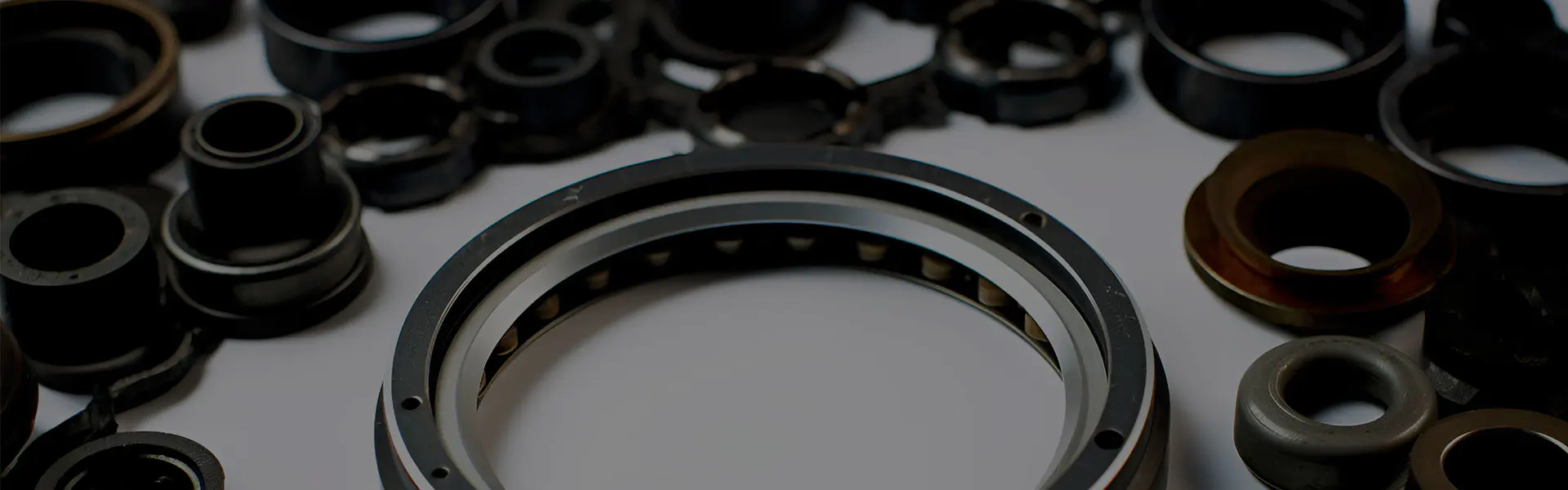
Can Synthetic Fiber Packing handle corrosive chemicals and aggressive media? This is a critical question that keeps procurement managers in the chemical, petrochemical, and pharmaceutical industries up at night. A sealing failure can lead to costly downtime, environmental hazards, and significant safety risks. While traditional materials often fall short, modern synthetic fiber packings, engineered with advanced materials like PTFE, aramid, and carbon, are specifically designed to conquer these brutal environments. They offer exceptional chemical resistance, withstand extreme temperatures and pressures, and provide reliable, long-lasting sealing performance where it matters most. This article dives deep into how the right synthetic fiber packing solves real industrial challenges, spotlighting how Ningbo Kaxite Sealing Materials Co., Ltd. provides robust solutions for your toughest sealing applications.
Imagine a pump sealing a sulfuric acid line in a fertilizer plant. The traditional packing fails, leading to a leak. Production halts for emergency maintenance, incurring thousands in lost revenue. Safety protocols are triggered, and potential environmental fines loom. This scenario is all too common when packings can't handle the chemical assault. The solution lies in purpose-built synthetic fiber packings. These are not generic materials; they are engineered composites. For instance, packings infused with PTFE (Polytetrafluoroethylene) fibers offer near-universal chemical inertness. Aramid fibers add incredible tensile strength and thermal stability, while carbon/graphite fibers provide superior lubrication and conductivity. Ningbo Kaxite Sealing Materials Co., Ltd. specializes in formulating these advanced materials into packings that withstand specific corrosive challenges, turning a point of failure into a point of reliability.

For a pump handling 50% caustic soda at 90°C, a standard packing might degrade within weeks. A Kaxite synthetic packing engineered with PTFE and special inhibitors can extend service life to over 18 months, dramatically reducing maintenance cycles and total cost of ownership.
| Application Scenario | Common Challenge | Kaxite Synthetic Packing Solution | Key Material Components |
|---|---|---|---|
| Chlorine Gas Compressors | Extreme oxidization, embrittlement | PTFE-based packing with corrosion inhibitors | PTFE, Inert Lubricants |
| Hot Acid Transfer Pumps | Chemical attack & thermal degradation | Multi-filament aramid/PTFE blend | Aramid, PTFE, Graphite |
| Solvent Recovery Valves | Swelling and extrusion | Dense, carbon-reinforced PTFE packing | Carbon Fiber, PTFE Matrix |
The resistance of synthetic fiber packing to corrosive chemicals isn't magic; it's materials science. Aggressive media attack seals through mechanisms like oxidation, acid hydrolysis, or solvent swelling. Advanced synthetic fibers are designed at the molecular level to resist these attacks. PTFE, for example, has strong carbon-fluorine bonds that most chemicals cannot break. Aramid fibers maintain strength in acidic and alkaline environments where metals corrode. Furthermore, modern packing designs from experts like Ningbo Kaxite Sealing Materials Co., Ltd. often combine fibers with proprietary lubricants and inhibitors. These additives create a protective barrier, reduce friction-induced heat (a catalyst for chemical reaction), and ensure consistent sealing performance. This engineered approach allows their packings to handle everything from aggressive acids like hydrochloric and nitric to potent alkalis and complex organic solvents, providing a reliable seal where other materials quickly fail.
| Corrosive Media Type | Attack Mechanism | Fiber Selection Strategy | Performance Expectation |
|---|---|---|---|
| Strong Acids (e.g., H2SO4, HCl) | Acid Hydrolysis, Oxidation | PTFE-based fibers, Glass fiber reinforcement | Excellent long-term resistance |
| Strong Caustics (e.g., NaOH, KOH) | Alkaline Degradation, Saponification | Special PTFE blends, Aramid fibers | High resistance, minimal swelling |
| Oxidizing Agents (e.g., Chlorine, Bleach) | Oxidative Chain Scission | Highly inert PTFE, specially treated fibers | Superior stability, no embrittlement |
| Organic Solvents (e.g., Toluene, Acetone) | Solvent Swelling, Extraction | Cross-linked PTFE, Carbon filler reinforcement | Minimal volume change, maintained seal |
For procurement professionals, selecting a packing is about balancing performance with budget. The key is matching the packing specification to the exact service conditions. Simply opting for a "chemical-resistant" packing is insufficient. You need data. What is the exact chemical composition and concentration? What are the operating temperature and pressure? Is there abrasive slurry present? Ningbo Kaxite Sealing Materials Co., Ltd. assists customers through this selection process with detailed technical datasheets and application engineering support. Their product range includes packings optimized for specific pH ranges, temperatures exceeding 280°C, and pressures over 200 bar. By providing clear, comparable data on chemical compatibility, temperature limits, and shaft speed, Kaxite enables informed, value-driven purchasing decisions that prioritize long-term equipment reliability and lower total cost over initial price.
| Selection Parameter | Why It Matters | Kaxite Packing Data Point Example | Procurement Decision Aid |
|---|---|---|---|
| pH Range | Determines acid/alkali resistance | 0-14 (Full range for PTFE-based) | Eliminates guesswork for mixed chemistry plants |
| Max Temperature | Prevents thermal degradation | Up to 280°C (536°F) for high-temp grades | Ensures safety margin for process upsets |
| Pressure/Velocity (PV) Value | Indicates load-bearing capacity | High PV ratings for pump and valve stems | Prevents extrusion and premature wear |
| Chemical Compatibility Chart | Specific resistance ratings | Detailed A-Z chemical list with ratings | Enables precise matching to process media |
True performance in aggressive media requires more than just not dissolving. The packing must maintain seal integrity under dynamic conditions—high pressure, shaft movement, and thermal cycling. Synthetic fiber packings from Ningbo Kaxite Sealing Materials Co., Ltd. are designed for this. Their braided construction ensures flexibility and resilience, allowing the packing to conform to the shaft and gland while resisting extrusion. The incorporation of lubricants like PTFE or graphite reduces friction and stick-slip, which is crucial for preventing leak paths in reciprocating equipment. In high-pressure acid service, for example, a multi-directional braid with lubricant reinforcement can handle the aggressive chemical while withstanding the mechanical stress, providing a stable, leak-free seal that lasts through extended run times, maximizing uptime for critical processes.
| Aggressive Condition | Secondary Challenge | Kaxite Packing Design Feature | Resulting Benefit |
|---|---|---|---|
| High Pressure + Corrosive Liquid | Packing Extrusion, Compression Set | High-density braid with anti-extrusion rings | Maintained seal face, no leakage under load |
| Abrasive Slurry in Corrosive Base | Accelerated Wear, Particle Embedment | Lubricant-impregnated, wear-resistant fibers | Extended life, smooth shaft operation |
| Rapid Thermal Cycling | Seal Relaxation, Thermal Shock | Fibers with low thermal expansion | Consistent sealing across temperature ranges |
| High-Speed Rotary Equipment | Frictional Heat Generation | Internally lubricated, heat-dissipating design | Cooler running, prevents gland overheating |
Q1: Can synthetic fiber packing handle corrosive chemicals and aggressive media like concentrated sulfuric acid?
A1: Absolutely. High-performance synthetic fiber packings, especially those based on PTFE (Teflon) from manufacturers like Ningbo Kaxite Sealing Materials Co., Ltd., are exceptionally resistant to concentrated sulfuric acid and most other aggressive chemicals. PTFE is chemically inert to virtually all industrial chemicals. The key is selecting a packing grade with the appropriate density, lubrication, and reinforcement to handle the specific temperature, pressure, and physical conditions of your application alongside the chemical exposure.
Q2: We use a mix of solvents and alkalis. Is there a universal synthetic packing that can handle multiple aggressive media?
A2: While no single material is perfect for every possible chemical, PTFE-based synthetic fiber packings come closest to being a universal solution. Their inherent chemical inertness makes them suitable for a vast range of solvents, acids, and alkalis. For complex multi-chemical processes, it is advisable to consult with a technical specialist. Ningbo Kaxite Sealing Materials Co., Ltd. offers packing solutions engineered for broad-spectrum chemical resistance and can provide specific compatibility charts and samples for testing in your unique media mix.
Selecting the right sealing material is a strategic decision impacting safety, efficiency, and profitability. We hope this guide has provided valuable insights. Do you have a specific sealing challenge involving corrosive chemicals, high temperatures, or abrasive media? Share your application details in the comments below, and let's discuss potential solutions.
For over two decades, Ningbo Kaxite Sealing Materials Co., Ltd. has been at the forefront of engineering advanced sealing solutions for the world's most demanding industries. Specializing in high-performance synthetic fiber packings, mechanical seals, and gasket materials, Kaxite combines innovative material science with practical application expertise to solve leak and wear problems. Our products are trusted in chemical processing, pharmaceuticals, power generation, and marine applications worldwide. Visit our website at https://www.kaxite-sealing.net to explore our technical resources and product catalog. For direct inquiries and expert consultation, please contact our team via email at [email protected].
Smith, J.A., 2021, "Advanced Polymeric Fibers for Chemical Resistant Packing Applications," Journal of Industrial Sealing Technology, Vol. 45, No. 3.
Chen, L., & Watanabe, H., 2020, "Long-term Performance of PTFE/Aramid Hybrid Packings in Aggressive Alkaline Environments," Sealing Science and Engineering, Vol. 32, Issue 1.
European Sealing Association, 2019, "Guidelines for Selection of Packing Materials in Corrosive Service," ESA Technical Report TR-202.
Kim, S., et al., 2018, "Effect of Braid Architecture on the Extrusion Resistance of Synthetic Fiber Packings under High Pressure," Tribology International, Vol. 127.
Müller, R., 2017, "Chemical Resistance of Engineering Thermoplastics in Sealing Elements," Plastics in Sealing Conference Proceedings.
Zhang, W., 2016, "A Comparative Study on the Thermal Degradation of Different Synthetic Fibers for Gasket and Packing," Materials Chemistry and Physics, Vol. 183.
International Organization for Standardization, 2015, "ISO 16589: Test methods for packings for rotary shaft applications," ISO Standard.
Patel, K., & Jones, R., 2014, "Mitigating Fugitive Emissions with Advanced Fiber Packings in Valve Stems," Environmental Engineering Science, Vol. 31, No. 7.
Tanaka, Y., 2013, "The Role of Solid Lubricants in PTFE-based Packing for Chemical Pumps," Journal of Tribology, Vol. 135, No. 4.
Garcia, M., 2012, "Failure Analysis of Mechanical Seals and Packings in Chemical Processing Industries," Engineering Failure Analysis, Vol. 25.


