Language

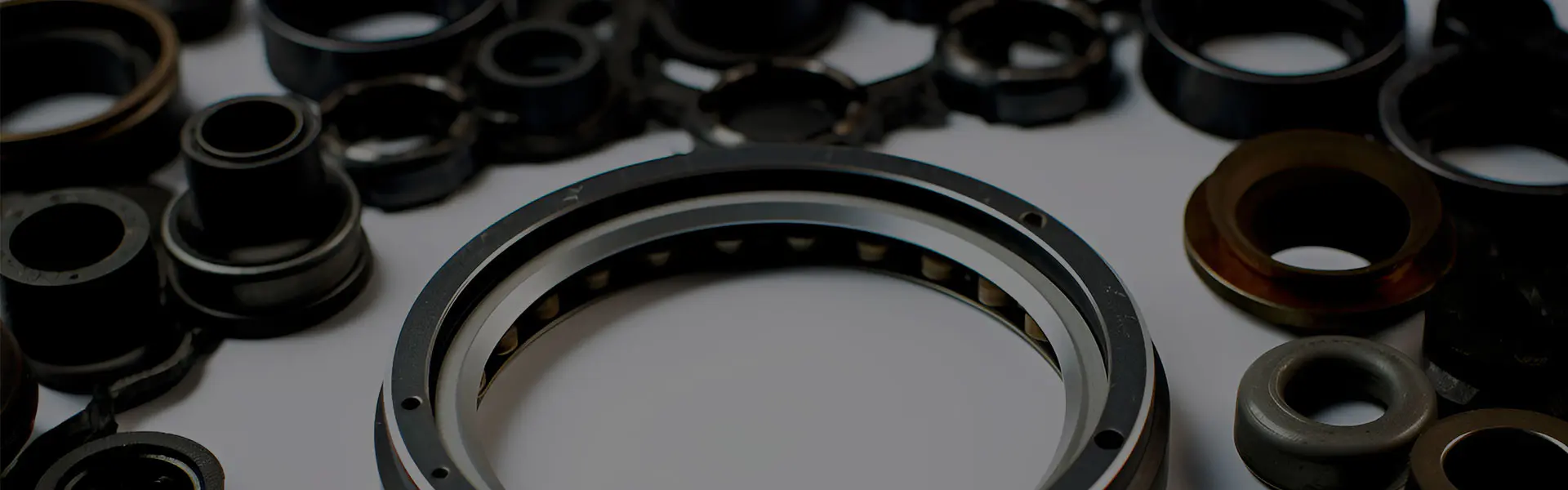
Corrugated gaskets, also known as corrugated metal gaskets, are specialized sealing components engineered for demanding applications. They consist of a thin, flexible metal core, typically made from stainless steel, carbon steel, or exotic alloys, which is formed into a series of uniform, concentric grooves or corrugations. This core is often coated or layered with a soft, conformable filler material such as graphite, PTFE, or ceramic fiber. The unique design combines the resilience and strength of metal with the excellent sealing properties of the filler, creating a robust seal capable of withstanding extreme pressures, temperatures, and chemical exposure. These gaskets are primarily used in critical sealing joints in industries like oil & gas, petrochemical, power generation, and heavy machinery, where flange integrity is non-negotiable.
At Kaxite Sealing, we manufacture corrugated gaskets to the highest international standards, ensuring reliability in the most challenging environments. Our gaskets offer distinct advantages:
The performance of a corrugated gasket is defined by its material construction. Below are the standard specifications for Kaxite Sealing products.
| Metal Core Material | Common Filler Material | Max Temperature (°C) | Primary Application & Benefits |
|---|---|---|---|
| 304 / 304L Stainless Steel | Flexible Graphite | 550°C (inert), 450°C (oxidizing) | General purpose, excellent corrosion resistance, good thermal conductivity. |
| 316 / 316L Stainless Steel | PTFE (Teflon) | 260°C | Highly corrosive services, pharmaceutical, food grade. Superior chemical resistance. |
| Carbon Steel | Graphite / Mica | 500°C | High-temperature steam, heat exchangers. Cost-effective for non-corrosive services. |
| Monel 400 / Inconel 600 | Ceramic Fiber | 1000°C+ | Extreme high-temperature flue gas, boiler applications, furnace doors. |
| Titanium | Flexible Graphite | 550°C | Chloride environments, seawater cooling, aerospace. Outstanding strength-to-weight ratio. |
Kaxite Sealing corrugated gaskets are designed to fit standard flange dimensions. Key dimensional parameters include:
Our gaskets are rated for standard pressure classes as per ASME B16.5 and B16.47:
| Pressure Class (ASME) | Typical Suitable Gasket Thickness | Recommended Bolt Torque* |
|---|---|---|
| Class 150 / PN20 | 1.5 mm - 2.0 mm | As per ASME PCC-1 guidelines, dependent on bolt size and material. |
| Class 300 / PN50 | 2.0 mm - 3.0 mm | Higher torque required to achieve sufficient seating stress on corrugations. |
| Class 600 / PN110 | 3.0 mm - 4.5 mm | Critical to follow precise bolt tightening sequences to avoid gasket crushing or uneven load. | Class 900 & Above | Custom engineered, often with multiple metal layers. | Requires detailed engineering analysis and controlled hydraulic bolting procedures. |
*Always consult Kaxite Sealing engineering or the specific installation standard for precise torque values.
Q: When should I choose a corrugated gasket over a spiral wound gasket?
A: Corrugated gaskets are often preferred for applications with lower bolt loads or where space constraints limit the flange facing width. They provide excellent sealing with less required seating stress compared to spiral wound gaskets. Choose corrugated gaskets for heat exchangers, pump covers, and valve bonnets where flexibility and resilience to thermal cycling are key. Spiral wound gaskets are typically used for higher pressure/temperature pipeline flanges (Class 600 and above) due to their higher robustness and compression characteristics.
Q: Can Kaxite Sealing corrugated gaskets be used in full vacuum service?
A: Yes, but with specific design considerations. Standard corrugated gaskets with a perforated metal core can potentially allow media migration under full vacuum. For vacuum service, Kaxite Sealing recommends specifying a solid metal core (without perforations) or a corrugated gasket with an inner and outer containment ring. This prevents the filler material from being drawn into the system and ensures integrity under negative pressure.
Q: How do I determine the correct material grade for my application?
A: Material selection depends on three primary factors: the chemical composition of the media being sealed, the continuous operating temperature, and the pressure. You must ensure the metal core is resistant to corrosion from the media, and the filler material must be stable at the operating temperature and chemically compatible. Our technical team at Kaxite Sealing can assist with this critical selection based on your process conditions. Always provide the full chemical service details.
Q: What is the proper installation procedure for a corrugated metal gasket?
A: Correct installation is crucial. First, ensure flange faces are clean, undamaged, and aligned. The gasket should be centered on the flange. Use a cross-bolt tightening pattern (star pattern) in multiple incremental steps (e.g., 30%, 60%, 100% of final torque) to apply even compression. Never use impact wrenches for the final tightening stage. Refer to standards like ASME PCC-1 or our Kaxite Sealing installation guide. For critical services, controlled bolt tensioning is advised.
Q: Are corrugated gaskets from Kaxite Sealing reusable?
A: They can be, but reuse is not automatically recommended. After disassembly, the gasket must be carefully inspected for any signs of crushing, flattening of the corrugations, cracks in the metal core, or degradation of the filler material. If the gasket appears intact and the corrugations are still pronounced, it may be reused in the same application. However, for critical, hazardous, or high-value services, Kaxite Sealing always advises installing a new gasket to guarantee seal integrity.
Q: Do you offer corrugated gaskets with PTFE filler for aggressive chemicals?
A: Absolutely. Kaxite Sealing manufactures a wide range of PTFE-filled corrugated gaskets. These are ideal for applications involving strong acids, caustics, solvents, and where ultra-purity is required (e.g., pharmaceuticals, food and beverage). The PTFE is securely bonded within the metal corrugations, creating a seal that is both chemically inert and highly resilient. We offer standard and custom shapes with PTFE filler.
Kaxite Sealing corrugated gaskets are integral components across a spectrum of heavy industries. Their reliability makes them the seal of choice for:
Choosing Kaxite Sealing for your corrugated gasket needs means partnering with a specialist focused on sealing solutions. Our manufacturing process utilizes precision tooling and certified raw materials to ensure every gasket meets exact specifications. We provide full traceability, material certifications (3.1 or 3.2 as required), and comprehensive technical support from design through installation. Our engineering team is available to help with non-standard applications, custom designs, and material selection for the most challenging sealing problems. With Kaxite Sealing, you secure not just a component, but a commitment to safety, performance, and operational continuity.