
The Ultimate Guide to Compression Sheets: Engineering Precision for Lasting Seals
In the demanding world of industrial sealing, where pressure, temperature, and chemical resistance are paramount, the integrity of your gaskets is non-negotiable. The foundation of this integrity often lies not in the gasket alone, but in the material used to create it. Kaxite Sealing stands at the forefront of this critical component supply, specializing in high-performance compression sheet materials engineered for excellence. This comprehensive guide delves into the technical specifications, applications, and expert knowledge surrounding compression sheets, providing the insights needed for optimal material selection and application success.
What Are Compression Sheets?
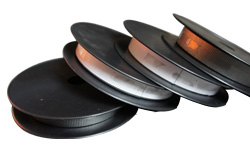
Compression sheets, also known as gasket sheets or jointing materials, are semi-finished, sheet-form products designed to be cut into specific gasket shapes. They are composed of fibers (such as aramid, cellulose, or glass), fillers, and binders, which are combined under high pressure and temperature. When compressed between two flanges, these sheets flow into surface imperfections, creating a tight, reliable seal that prevents leakage of fluids or gases under a wide range of operational conditions. Their versatility, ease of fabrication, and cost-effectiveness make them indispensable across countless industries.
Critical Technical Parameters of Kaxite Sealing Compression Sheets
Selecting the correct compression sheet requires a detailed understanding of its performance characteristics. The following parameters are crucial for ensuring compatibility with your specific application.
Core Material Properties
-
Material Composition: The base fibers and binders define fundamental properties. Common types include:
- Aramid Fiber-Based: Exceptional tensile strength, thermal stability, and resistance to chemicals and oils.
- Compressed Non-Asbestos (CNA) / Organic Fiber-Based: A general-purpose grade offering good sealability, flexibility, and resistance to water, steam, and mild chemicals.
- Graphite-Based: Superior thermal conductivity, excellent resistance to extreme temperatures and corrosion, often used with stainless steel tanged inserts for added strength.
- PTFE-Based: Unparalleled chemical resistance and anti-stick properties, suitable for highly corrosive media and clean processes.
- Thickness: Standard thicknesses range from 0.4mm (1/64") to 3.0mm (1/8"). The choice depends on flange surface condition, pressure, and the required degree of compression.
- Density: Measured in g/cm³, density impacts recovery, creep relaxation, and blow-out resistance. Higher density often correlates with better performance under high pressure.
- Temperature Range: The continuous operating temperature span the material can withstand without degrading. This is a critical limit not to be exceeded.
- Pressure Rating: The maximum internal pressure the gasket material can seal effectively, often expressed in bar or psi.
Performance Data Table
The table below provides a comparative overview of key performance metrics for popular Kaxite Sealing compression sheet grades. All data is derived from standardized ASTM or DIN test methods.
| Kaxite Grade | Base Material | Thickness Range (mm) | Temp. Range (°C) | Max. Pressure (bar) | pH Range | Key Features & Typical Applications |
|---|---|---|---|---|---|---|
| KS-4100 | Compressed Aramid Fiber | 0.5 - 3.0 | -100 to +290 | 150 | 1 - 14 | High strength, excellent for aggressive oils, fuels, and solvents. Common in chemical processing, refineries. |
| KS-3200 | Compressed Non-Asbestos (Organic) | 0.4 - 3.0 | -40 to +400 | 120 | 2 - 12 | General purpose, hot water, steam, and mild acids/alkalis. Ideal for pumps, valves, flanges in HVAC, plumbing. |
| KS-7500G | Flexible Graphite with SS Insert | 1.5 - 3.0 | -200 to +550 (inert atm.) | 200+ | 0 - 14 | Exceptional thermal cycling, fire-safe, corrosive media. Used in heat exchangers, exhaust systems, high-temp flanges. |
| KS-9000T | Virgin PTFE | 0.5 - 3.0 | -260 to +260 | 100 | 0 - 14 | Ultra-pure, superb chemical resistance, FDA compliant. Essential for pharmaceutical, food & beverage, semiconductor. |
Compression Sheets FAQ: Expert Insights from Kaxite Sealing
Q: How do I determine the correct compression sheet thickness for my application?
A: Thickness selection is based on three primary factors: flange condition, bolt load, and internal pressure. For standard, smooth flanges, a thinner sheet (0.8mm-1.5mm) is often sufficient. For warped or scratched flanges, a thicker sheet (1.5mm-3.0mm) provides more material to fill imperfections. Higher bolt loads allow for the use of thinner materials as they achieve adequate compression. Always consult engineering guidelines or a Kaxite Sealing technical specialist for critical service applications.
Q: What is the difference between "compression" and "recovery" in a gasket sheet?
A: Compression is the material's ability to deform under flange load to create an initial seal. Recovery is its ability to return to its original thickness after the compressive force is reduced (e.g., during thermal cycles or pressure surges). A good balance is vital. High compression with low recovery can lead to "creep relaxation" and seal failure over time. Kaxite Sealing materials are engineered to offer optimal compression set and recovery properties for long-term stability.
Q: Can I reuse a gasket cut from a compression sheet?
A: It is strongly discouraged. During initial installation, the material undergoes permanent deformation (compression set) to conform to the specific flange topography. Reusing it will not recreate the same intimate seal, as the material has already lost its recovery and "memory" for that specific fit. Always use a fresh gasket cut from Kaxite Sealing compression sheets for each assembly to guarantee leak-free performance.
Q: How should I store compression sheets to maintain their properties?
A: Proper storage is essential for shelf life. Store sheets flat in a cool, dry, and dark environment, away from direct sunlight, ozone sources (like motors), and extreme temperatures. Keep them in their original packaging until use to prevent absorption of moisture, oils, or contaminants. Stack sheets horizontally; do not hang them, as this can cause permanent warping or curling, especially in thinner grades.
Q: Are all non-asbestos compression sheets the same?
A: Absolutely not. "Non-asbestos" is a broad category encompassing various fiber blends (aramid, glass, cellulose, etc.) and binder systems. Performance can vary dramatically between manufacturers and grades. A general-purpose CNA sheet from one brand may have vastly different temperature, pressure, and chemical resistance compared to another. It is crucial to evaluate the specific technical data sheet, like those provided for every Kaxite Sealing grade, rather than relying solely on the generic category name.
Q: What is the significance of the pH range listed in the specifications?
A: The pH range indicates the acidity or alkalinity (chemical compatibility) of the media the sheet can reliably seal against. A narrow range (e.g., pH 4-10) means it is suitable for near-neutral media. A wide range (e.g., pH 0-14) indicates resistance to strong acids and strong alkalis. Exceeding the recommended pH range will cause rapid chemical attack, swelling, or disintegration of the gasket material. Always match the material's pH resistance to your process media.
Fabrication and Installation Best Practices
Even the highest-quality compression sheet will underperform if not fabricated and installed correctly. Kaxite Sealing recommends adhering to these proven steps:
- Surface Preparation: Ensure flanges are clean, undamaged, and aligned. Remove all old gasket material and debris. Light scoring is acceptable; deep scratches require repair or a thicker gasket.
- Accurate Cutting: Use sharp, dedicated tools (cutting dies, punches, or sharp utility knives) to cut the gasket. Avoid tearing or fraying the sheet edges, as this creates leak paths.
- No Adhesives: Do not use adhesive to stick the gasket to the flange. It hinders proper compression and can contaminate the sealing surface.
- Proper Bolt Torque: Follow a star-pattern (cross-bolting) sequence to apply torque in stages (e.g., 30%, 60%, 100% of final torque). This ensures even compression across the entire gasket face, preventing distortion and localized over-compression.
- Re-torquing: For critical applications, especially after the first thermal cycle, a re-torque of the flange bolts is recommended to compensate for any initial gasket relaxation and settle the assembly.
Industries and Applications Served by Kaxite Sealing
The engineered solutions from Kaxite Sealing provide reliability across a vast spectrum of sectors. Key applications include:
- Oil, Gas & Petrochemical: Sealing pipe flanges, pump housings, and valve bonnets in refineries and offshore platforms, handling crude oil, hydrocarbons, and process chemicals.
- Chemical Processing: Reaction vessels, mixer lids, and pipeline connections where resistance to aggressive acids, alkalis, and solvents is critical.
- Power Generation: Sealing in steam systems, turbines, and cooling water circuits in both conventional and nuclear plants.
- Marine & Shipbuilding: Sealing sea water cooling systems, engine components, and fuel lines, withstanding saline environments and vibration.
- Pharmaceutical & Food: Using FDA-compliant, non-contaminating grades like PTFE for hygienic processing equipment, fermenters, and filling lines.
- General Manufacturing & Maintenance: Providing reliable, cost-effective sealing for hydraulic systems, compressors, heat exchangers, and everyday plant maintenance.