Language

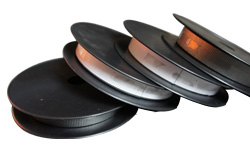
PTFE Fiber, or Polytetrafluoroethylene Fiber, is a high-performance synthetic material engineered from the polymerization of tetrafluoroethylene. Renowned for its exceptional chemical resistance, thermal stability, and low friction properties, PTFE fiber is a cornerstone in advanced industrial applications. Unlike standard PTFE in its bulk form, the fibrous structure provides enhanced strength, flexibility, and sealing capabilities, making it indispensable for demanding environments where other materials fail. At Kaxite Sealing, we specialize in producing premium-grade PTFE fibers that meet the most rigorous international standards for quality and performance.
The superiority of Kaxite Sealing PTFE Fiber stems from its unique combination of physical and chemical properties:
Our PTFE Fiber is manufactured under strict quality control to ensure consistent, reliable performance. Below are the detailed product parameters.
| Property | Test Method | Typical Value | Unit |
|---|---|---|---|
| Fiber Denier | ASTM D1907 | 200, 400, 800, 1200 | Denier |
| Tensile Strength | ASTM D2256 | ≥ 3.0 | g/denier |
| Elongation at Break | ASTM D2256 | 15 - 45 | % |
| Specific Gravity | ASTM D792 | 2.1 - 2.3 | - |
| Melting Point | ASTM D3418 | 327 | °C |
| Continuous Service Temperature | - | -200 to +260 | °C |
| Limiting Oxygen Index (LOI) | ASTM D2863 | > 95 | % |
| Exposure Medium | Concentration | Temperature | Resistance Rating |
|---|---|---|---|
| Sulfuric Acid | Up to 98% | Up to 200°C | Excellent |
| Hydrochloric Acid | All Concentrations | Up to 200°C | Excellent |
| Sodium Hydroxide | All Concentrations | Up to 200°C | Excellent |
| Hydrocarbons (Fuel, Oil) | 100% | Up to 260°C | Excellent |
| Steam | 100% | Up to 200°C | Excellent |
| UV Radiation | Outdoor Exposure | Ambient | Excellent |
Kaxite Sealing PTFE Fiber is the material of choice across diverse industries due to its unparalleled reliability.
PTFE resin is the raw polymer, typically processed into sheets, rods, or tapes through molding and sintering. PTFE fiber is a product made by spinning the resin into fine, continuous filaments. This fibrous form grants it flexibility, tensile strength, and the ability to be woven or braided, opening applications in sealing, textiles, and reinforcement that solid PTFE cannot perform.
Yes, specific grades of our PTFE Fiber are manufactured to comply with FDA (Food and Drug Administration) and EU regulations for food contact materials. They are inert, non-toxic, and do not leach substances, making them suitable for gaskets, seals, and conveyor belts in food and beverage processing. Please contact our technical team to specify food-grade requirements.
PTFE fiber excels in dynamic sealing. When braided into packing, its low friction coefficient reduces wear on shafts and rods, while its high tensile strength resists deformation under extreme pressure. Its inherent lubricity and chemical resistance ensure a long service life with minimal leakage in pumps and valves, even with aggressive media and high PV (Pressure-Velocity) values.
Kaxite Sealing supplies PTFE fiber in multiple forms to suit various manufacturing processes: Continuous Filament Yarn on spools, Staple Fiber for needling or felting, and Tow for heavy-duty braiding. Our standard fiber is natural white (the color of pure PTFE), but we can provide masterbatch-colored fibers in standard colors like black, brown, or gray upon request for identification or aesthetic purposes.
While pure PTFE is known for creep under sustained load, the fibrous structure significantly mitigates this issue. When used as reinforcement in composites or as braided packing, the fiber's orientation and weave pattern distribute loads more effectively, dramatically reducing cold flow and maintaining seal integrity over time compared to unreinforced PTFE.
Store Kaxite Sealing PTFE fiber products in a cool, dry, and clean environment away from direct sunlight, heat sources, and sharp objects. Although chemically resistant, it is good practice to keep them away from contaminants. No special handling is required beyond standard industrial material care. The material is safe to handle but using gloves is recommended for cleanliness in precision applications.
Absolutely. A key advantage of Kaxite Sealing PTFE fiber is its compatibility and common use in hybrid materials. It is often combined with aramid fibers for added strength, with graphite for enhanced lubricity, or impregnated with proprietary fillers to tailor performance for specific applications like extreme pH or abrasive slurries. Our engineering team can advise on optimal hybrid compositions.
Selecting Kaxite Sealing means partnering with a dedicated specialist in high-performance sealing solutions. Our commitment extends beyond supplying material; we provide engineered solutions.