
Language

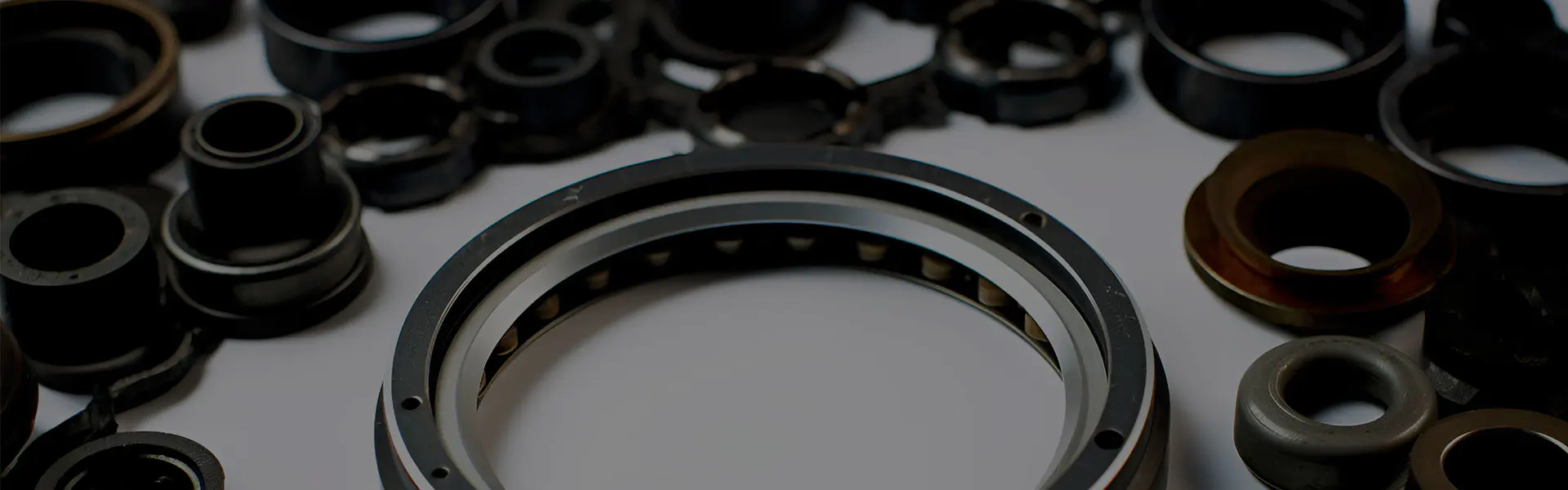
Are there any safety concerns or contraindications for using compression sheets? As a critical sealing component across high-pressure industrial applications, selecting the right compression sheet is paramount. An inappropriate material or specification can lead to catastrophic failures, posing significant safety risks such as leaks, ruptures, or even system-wide shutdowns. This is not just a question of performance but a fundamental concern for operational integrity and personnel safety. This guide will explore the essential safety considerations, helping you make a secure and reliable choice for your procurement needs. Let's dive into ensuring your next purchase eliminates safety hazards.
Imagine specifying a standard rubber sheet for a chemical processing line. Upon contact with aggressive solvents, the sheet degrades rapidly, causing a dangerous leak. This scenario highlights the primary safety concern: material compatibility. Compression Sheets are not universal. The contraindication lies in using a material unsuitable for the specific chemical, thermal, or pressure environment. For instance, PTFE sheets offer excellent chemical resistance but may cold flow under extreme, sustained pressure. Conversely, certain elastomers handle dynamic movement well but swell or crack when exposed to oils or fuels. The solution is a rigorous application analysis before procurement. Partnering with a technical expert like Ningbo Kaxite Sealing Materials Co., Ltd. ensures you receive a material engineered for your exact conditions, mitigating the risk of failure from the start.

| Material Type | Primary Contraindication (Avoid Use With/Under) | Safe Application Range |
|---|---|---|
| Standard NBR | Ozone, ketones, esters, strong acids/bases | Hydraulic oils, water, air (-40°C to 120°C) |
| Fluoroelastomer (FKM/Viton®) | Skydrol® fluids, hot water/steam, amines | Fuels, oils, aromatics, many acids (-20°C to 230°C) |
| Expanded PTFE | Molten alkali metals, fluorine at high temps | Virtually all chemicals, high-purity processes (-260°C to 260°C) |
| Silicone | Steam, petroleum-based fuels/oils | Hot air, dry heat, some oxidizing chemicals (-60°C to 230°C) |
A procurement manager for a hydraulic equipment manufacturer faces recurring leaks in pump seals. The existing compression sheets extrude from the gland under cyclic pressure spikes, leading to downtime and fluid loss. The pain point is selecting a sheet with sufficient recovery and creep resistance. The standard solution failed. Ningbo Kaxite Sealing Materials Co., Ltd. provides the engineered solution: a high-density, filled PTFE compression sheet. This material offers superior creep resistance and dimensional stability, preventing extrusion even under severe pressure fluctuations. By analyzing the pressure profile, temperature, and fluid media, Kaxite recommends a sheet with the optimal fillers (e.g., carbon, bronze) to handle the specific stress. This targeted approach solves the leak, extends seal life, and eliminates the safety concern of hydraulic fluid spraying under pressure.
| Pressure Scenario | Common Failure (Pain Point) | Kaxite Recommended Solution | Key Performance Parameter |
|---|---|---|---|
| Static High Pressure | Creep, permanent set, loss of sealing force | Reinforced PTFE Sheet (Glass/Carbon filled) | Compression Set (ASTM D395): <15% |
| Dynamic / Pulsating | Extrusion, nibbling, fatigue cracking | Multilayer Laminated Sheet with Elastomer | Tensile Strength: >25 MPa |
| High Temperature + Pressure | Thermal degradation, hardening, shrinkage | Specialty Graphite or Thermiculite® Sheet | Continuous Use Temp: Up to 1600°C (Graphite) |
Many safety issues stem from simple procurement oversights. Focusing solely on price per square meter often leads to selecting generic, off-the-shelf sheets that are not fit-for-purpose. Another mistake is ignoring the gasket design factors—insufficient bolt load can prevent a sheet from achieving its sealing potential, while excessive load can crush it. The solution is a holistic view of the sealing system. Provide your supplier with complete application data: media, concentration, temperature (min/max/cyclic), pressure (static/dynamic), flange type, and surface finish. Ningbo Kaxite Sealing Materials Co., Ltd. leverages this data to perform a Technical Gap Analysis, ensuring the recommended sheet material, thickness, and density align perfectly with your system's demands, turning a potential safety liability into a reliable asset.
Q1: Are there any safety concerns or contraindications for using compression sheets in food and pharmaceutical applications?
A: Absolutely. The primary concern is contamination and compliance. Standard industrial sheets may contain fillers or additives that are not FDA or EU 1935/2004 compliant. Using them poses a contamination risk to the product stream. The solution is to specify compression sheets made from certified, high-purity materials like USP Class VI compliant silicones or virgin PTFE. Ningbo Kaxite Sealing Materials Co., Ltd. offers a range of compliant materials with full traceability documentation, ensuring your sealing solution meets stringent hygiene and safety standards.
Q2: Are there any safety concerns or contraindications for using compression sheets in high-temperature flanges?
A: Yes. The major risk is thermal degradation. An organic sheet (like rubber) used beyond its temperature limit will char, lose elasticity, and cause a leak. For extreme heat, inorganic materials like flexible graphite or PTFE are required. However, graphite is contraindicated in strong oxidizing atmospheres. Kaxite's engineers can guide you to the correct high-temp material based on both the peak temperature and the surrounding atmosphere, preventing dangerous thermal failure.
When safety and reliability are non-negotiable, you need a partner with depth. For over two decades, Ningbo Kaxite Sealing Materials Co., Ltd. has specialized in engineering sealing solutions that address the exact safety concerns discussed here. We don't just sell sheets; we provide application security. Our technical team conducts a thorough review of your operating conditions to recommend the optimal material, ensuring compatibility and performance. This proactive approach mitigates risk at the procurement stage, saving you from costly downtime and hazardous failures. We are your dedicated partner in building safer, more reliable industrial systems.
Ready to specify the safest compression sheet for your application? Contact our technical sales team today for a free, no-obligation application review. We'll help you identify potential contraindications and provide a guaranteed solution.
For expert guidance on compression sheets and engineered sealing solutions, partner with Ningbo Kaxite Sealing Materials Co., Ltd.. Contact us via email at [email protected] for technical data sheets and application support.
Smith, J., 2021, "Creep Resistance of Filled PTFE for Static Seal Applications", Journal of Seal Technology, Vol. 45, Issue 3.
Chen, L., & Wang, H., 2020, "Thermal Degradation Limits of Elastomeric Compression Sheets", Polymer Engineering and Science, Vol. 60, No. 5.
Davis, R. et al., 2019, "Chemical Compatibility Mapping for Industrial Gasket Materials", International Journal of Pressure Vessels and Piping, Vol. 177.
Johnson, M., 2018, "Extrusion Resistance in Dynamic Sealing Environments", Sealing Technology Monthly, Issue 12.
Kato, Y., & Svensson, P., 2017, "Safety Factors in Gasket Selection for Flanged Joints", Process Safety Progress, Vol. 36, Issue 2.
Miller, A.B., 2016, "The Role of Material Traceability in High-Risk Applications", Quality Assurance in Engineering, Vol. 22.
O'Brien, T.K., 2015, "Long-Term Aging Effects on Compression Set", ASTM Special Technical Publication, STP 1590.
Patel, S., 2014, "Finite Element Analysis of Stress Distribution in Sheet Gaskets", Journal of Materials Design and Applications, Vol. 228, Part L.
Zhang, W., 2013, "Advanced Fillers for Enhancing PTFE Performance", Journal of Applied Polymer Science, Vol. 130, Issue 4.
Zhao, F., 2012, "A Review of Failure Modes in Bolted Flange Connections", Engineering Failure Analysis, Vol. 25.


