
Language

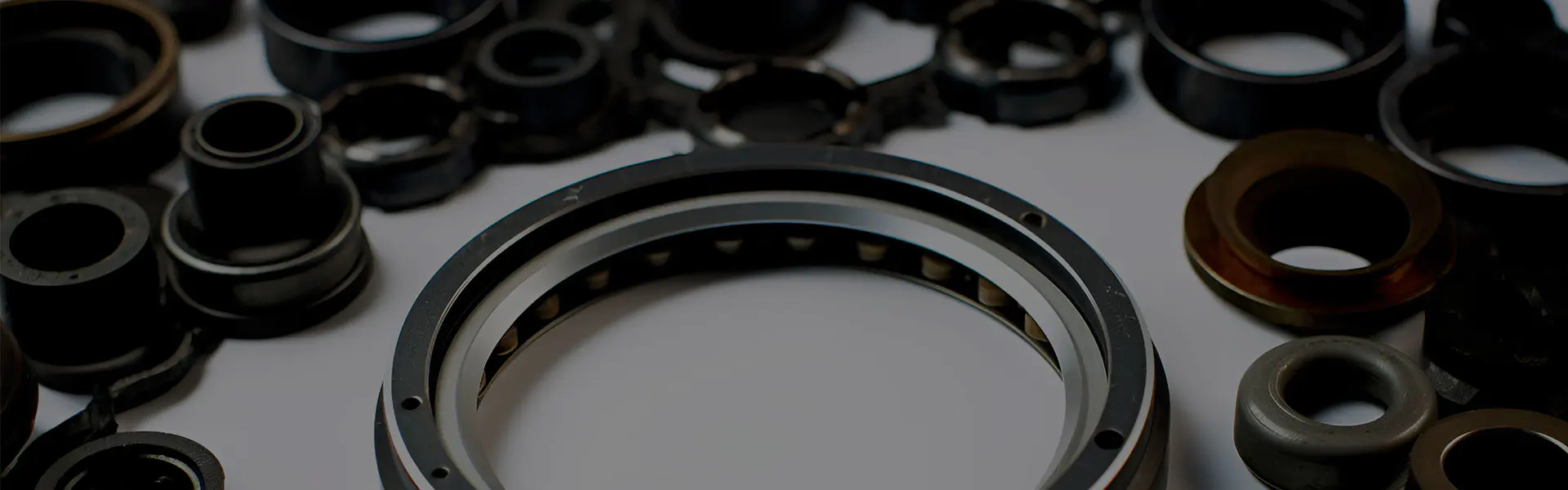
Can PTFE and PEEK seals be used in food and pharmaceutical applications? Absolutely, but doing it right is crucial. For purchasing professionals sourcing critical components, selecting the wrong sealing material can lead to catastrophic contamination, costly production shutdowns, and severe regulatory non-compliance. The answer isn't just a simple "yes"—it's about understanding the stringent requirements of FDA, USP Class VI, and EU 10/2011 regulations and choosing materials that not only meet but exceed these standards for safety, purity, and performance. This guide will break down the complex world of high-performance polymer seals into actionable insights, helping you make informed, risk-averse purchasing decisions that protect your products, your production line, and your brand's reputation.
Imagine your CIP (Clean-in-Place) system fails because a seal leaches harmful substances into a batch of infant formula. The result? A multi-million dollar recall, shattered consumer trust, and regulatory fines. This nightmare scenario underscores why material compliance is non-negotiable. For seals, the gold standards are FDA 21 CFR for food contact and stringent pharmacopeial standards like USP Class VI for pharmaceuticals. These test for biological reactivity, ensuring materials are non-toxic and non-irritating. PTFE (Polytetrafluoroethylene) is inherently inert and a common choice, but not all PTFE is created equal—fillers or processing aids used in some grades can compromise compliance. PEEK (Polyetheretherketone), an ultra-high-performance thermoplastic, offers exceptional chemical resistance and can be manufactured to meet the most demanding purity requirements. The key is sourcing from a supplier with rigorous quality control and verifiable, batch-specific certification documentation.
You're designing a new aseptic filling line for a high-value biologic drug. The seals must withstand aggressive sterilization (repeated steam autoclaving at 135°C+), exhibit zero particulate shedding, and maintain a perfect seal under variable pressures. Which material do you choose? This is where understanding the performance envelope of PTFE and PEEK is critical. PTFE excels in broad chemical resistance and has a very low coefficient of friction, making it ideal for static seals and non-lubricated applications. However, it has limitations in continuous service temperature and can creep under load. PEEK, while more expensive, brings superior mechanical strength, outstanding resistance to thermal and chemical degradation, and excellent performance in dynamic applications.
| Parameter | PTFE | PEEK |
|---|---|---|
| Max Continuous Temp | 260°C (500°F) | 250°C (482°F)* |
| Chemical Resistance | Exceptional (virtually inert) | Excellent (resists most organics & steam) |
| Mechanical Strength | Low (high creep) | Very High |
| Wear Resistance | Good | Excellent |
| Primary Pharma Use | Gaskets, Valve Seats, Diaphragms | Pump Seals, Compressor Rings, Bearings |
*PEEK retains properties better at high temps.
A common pain point is seal failure in high-purity water systems (WFI - Water for Injection) used in pharmaceutical manufacturing. Elastomeric seals can degrade, introducing particulates and biofilm nucleation sites. The solution lies in using high-purity, virgin PTFE or PEEK seals with smooth, non-porous surfaces that resist microbial adhesion and withstand hot water and steam sanitization. For food processing equipment handling acidic sauces or solvents, carbon-filled PTFE can provide improved wear resistance without sacrificing compliance, while PEEK is unbeatable for mechanical seals in high-pressure homogenizers. Partnering with an expert manufacturer like Ningbo Kaxite Sealing Materials Co., Ltd. ensures you get not just a part, but a engineered solution tailored to your specific media, temperature, pressure, and regulatory needs.
| Application Scenario | Key Challenge | Recommended Solution | Critical Specification to Verify |
|---|---|---|---|
| Fermentation Bioreactor | Sterilization, Aggressive Media, Stirring | Reinforced PEEK Seal Rings | USP Class VI, FDA, ETO/Sterilizable |
| Dairy Processing Valve | Fat/Oil Resistance, CIP/SIP Cycling | Virgin PTFE Gaskets & Envelopes | FDA 21 CFR 177.1550, EU 10/2011 Compliance |
| Tablet Press Machine | High Dynamic Load, Powder Ingres | Wear-Resistant Filled PTFE Scraper Rings | Low Particulate Generation, FDA Compliance |
Q: Can PTFE and PEEK seals be used in food and pharmaceutical applications involving aggressive solvents?
A: Yes, but with critical distinctions. Both materials offer excellent chemical resistance. PTFE is nearly universal in its inertness, handling almost all solvents. PEEK also has superb resistance but may be susceptible to strong acids like concentrated sulfuric acid and some halogenated solvents at high temperatures. Always consult the chemical compatibility charts for your specific media and confirm with your supplier that the chosen grade is suitable and certified for food or pharma contact in that environment.
Q: We need seals for an ultra-high-pressure homogenizer. Is PEEK always better than PTFE?
A: For such demanding dynamic applications, PEEK is generally the superior choice. Its high mechanical strength, rigidity, and excellent resistance to extrusion and creep under sustained high pressure (often exceeding 1000 bar) make it ideal. While filled PTFE compounds can be used in some high-pressure static seals, PEEK's performance in dynamic, high-load, high-wear environments like homogenizer valve seats is typically unmatched, justifying its higher initial cost through extended service life and reduced downtime.
The final piece of the puzzle is choosing the right supplier. It's not just about finding a vendor who sells PTFE or PEEK seals; it's about finding a technical partner. A partner like Ningbo Kaxite Sealing Materials Co., Ltd. provides value through deep material science expertise, the ability to customize seals for optimal performance (from prototyping to full-scale production), and guaranteed supply chain transparency with full material traceability and compliance documentation. This partnership approach transforms your sealing component from a commodity into a engineered, risk-mitigating asset for your critical processes.
Have you faced a specific sealing challenge in your food or pharmaceutical application? Share your experience or question below. For a detailed consultation on your project requirements, including material selection, prototyping, and certification support, reach out to the experts.
For reliable, compliant, and high-performance sealing solutions, consider Ningbo Kaxite Sealing Materials Co., Ltd.. With a focus on engineering-grade polymers for demanding industries, Kaxite provides technical support and certified products tailored to food and pharmaceutical standards. Contact them at [email protected] for expert guidance.
Kurtz, S.M., et al. (1999). PEEK biomaterials handbook. William Andrew Publishing.
Ebnesajjad, S. (2000). Fluoroplastics, Volume 1: Non-Melt Processible Fluoroplastics. William Andrew.
Davis, R., et al. (2004). Ageing of polyetheretherketone (PEEK) in medical implants: A review. Journal of Materials Science: Materials in Medicine, 15(4), 367-371.
Kalogeras, A., & Hagg Lobland, H.E. (2012). The nature of the glassy state: Structure and transitions. Journal of Materials Education, 34(3-4), 69-94.
Menard, K.P., & Menard, N. (2020). Dynamic Mechanical Analysis. CRC Press.
Rudin, A., & Choi, P. (2012). The Elements of Polymer Science & Engineering. Academic Press.
Brostow, W., et al. (2010). Sliding wear, mechanical and thermal properties of polyimide/PTFE composites. Materials Science and Engineering: A, 527(21-22), 5799-5804.
Callister, W.D., & Rethwisch, D.G. (2020). Materials Science and Engineering: An Introduction. Wiley.
Smith, W.F., & Hashemi, J. (2006). Foundations of Materials Science and Engineering. McGraw-Hill.
Shackelford, J.F. (2014). Introduction to Materials Science for Engineers. Pearson.


