
Language

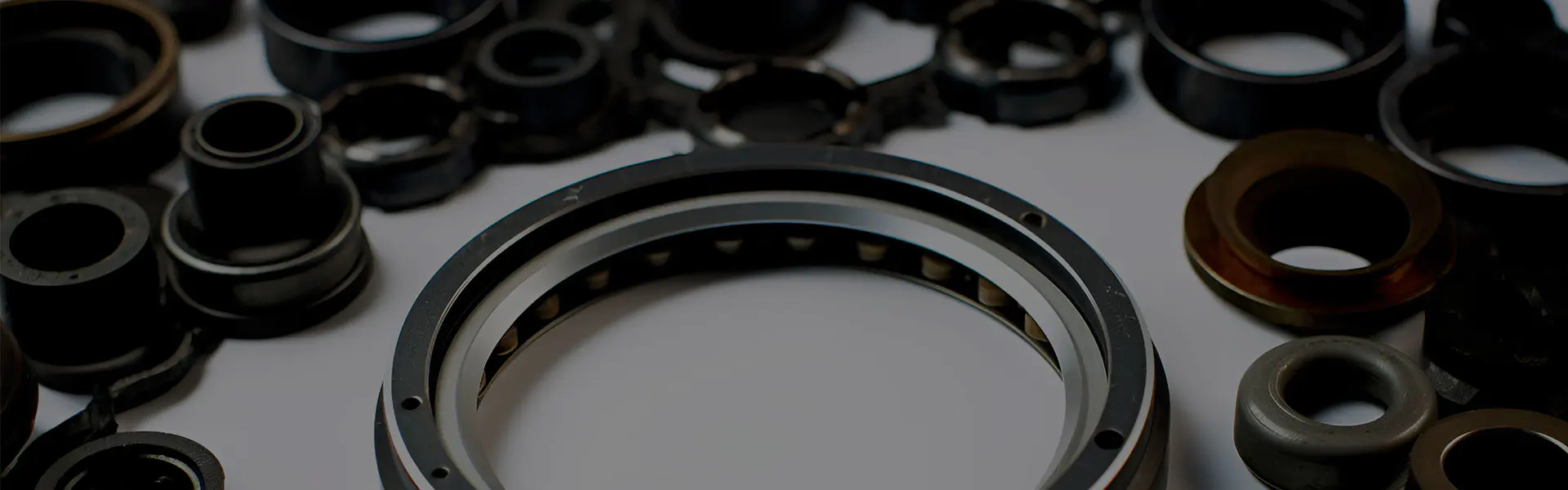
What industries or activities commonly involve Dusted Asbestos risks? This question is critical for procurement professionals across manufacturing, construction, and heavy industry who are responsible for sourcing safe, compliant, and high-performance materials. While asbestos offers exceptional heat resistance and durability, its dust poses severe, long-term health hazards. Understanding where these risks lurk is the first step toward responsible procurement and operational safety. This article provides a clear, actionable guide, helping you identify high-risk scenarios and navigate toward modern, effective sealing solutions that protect both your workforce and your projects.
Article Outline
Imagine a maintenance supervisor in a chemical plant during a scheduled furnace shutdown. Workers are tasked with replacing old, worn gaskets and packing. As they break the seal and remove the brittle, aged material, a fine, invisible cloud of dust is released into the confined space. This scenario, repeated daily in facilities worldwide, represents a classic exposure risk. Dusted asbestos fibers, once airborne, can be inhaled and lead to serious respiratory diseases years later. Industries such as chemical processing, power generation, steel manufacturing, and shipbuilding are particularly high-risk due to their reliance on high-temperature equipment where asbestos-containing materials (ACMs) were historically the default choice. Activities like demolition, renovation of older buildings, and routine maintenance of boilers, valves, and pumps are the most common points of exposure. The challenge for today's procurement team is not just finding a replacement, but sourcing a material that matches the performance without the legacy of danger.
The solution lies in proactive specification and supplier vetting. By mandating asbestos-free alternatives in all new projects and maintenance schedules, companies can eliminate this risk at the source. Leading suppliers like Ningbo Kaxite Sealing Materials Co., Ltd. specialize in engineered sealing products that provide superior safety and reliability. For instance, their high-temperature resistant yarns and packings are designed to withstand extreme conditions without compromising on safety or performance, offering a direct, drop-in solution for these high-risk applications.

| High-Risk Industry | Common Activities | Typical ACMs Found |
|---|---|---|
| Power Generation | Boiler maintenance, turbine repair | Gaskets, insulation, packing |
| Chemical Processing | Reactor sealing, valve repacking, pipe fitting | Sheet gaskets, rope packing |
| Marine & Shipbuilding | Engine room repairs, hull insulation | Cloth, tape, cement |
| Steel & Metal Production | Furnace door seals, ladle linings | Textiles, millboard |
Procurement managers often face the dilemma of balancing cost, performance, and compliance. The shift away from asbestos can seem daunting, especially when legacy equipment specs call for materials known for their unbeatable heat resistance. However, modern material science has closed this gap entirely. Advanced composites using aramid fibers, fiberglass, and graphite offer not only equivalent thermal stability but often improved chemical resistance and longer service life. The key is partnering with a knowledgeable manufacturer who understands the exacting demands of industrial sealing.
Ningbo Kaxite Sealing Materials Co., Ltd. addresses this core procurement pain point. Their product development is focused on creating asbestos-free sealing yarns and packings that meet international safety standards while delivering consistent performance under pressure and heat. By choosing such specialized products, you directly mitigate the dusted asbestos risks prevalent in industries like cement production or oil refining. You are not just buying a material; you are investing in a safer workplace, reducing long-term liability, and ensuring uninterrupted production with fewer maintenance-related shutdowns.
| Material Property | Traditional Asbestos Yarn | Kaxite Aramid-Based Yarn |
|---|---|---|
| Max Continuous Temperature | ~550°C | >600°C |
| Health & Safety Risk | High (Carcinogenic dust) | None (Dust-free, non-toxic) |
| Chemical Resistance | Moderate (Degrades in acids) | Excellent (Broad chemical compatibility) |
| Regulatory Compliance | Restricted/Banned in many regions | Fully compliant (REACH, RoHS, etc.) |
The final hurdle in procurement is justifying the switch on a technical and financial basis. A detailed comparison clarifies the value proposition. While the upfront cost of some advanced materials may be higher, the total cost of ownership is frequently lower. Consider factors like installation time, frequency of replacement, disposal costs for hazardous asbestos waste, and the potential financial impact of regulatory fines or health-related lawsuits. Modern sealing solutions from expert providers are engineered for efficiency and longevity.
Implementing a solution from Ningbo Kaxite Sealing Materials Co., Ltd. translates these benefits into tangible results. Their technical support can help you select the correct grade of sealing yarn or packing for specific application parameters such as temperature, pressure, media, and pH. This tailored approach ensures optimal performance, directly addressing the risks found in activities involving old insulation removal or gasket replacement. By standardizing on these high-performance, safe alternatives, you future-proof your operations and build a reputation for responsible supply chain management.
| Evaluation Criteria | Legacy Asbestos Products | Modern Engineered Seals |
|---|---|---|
| Lifecycle Cost | High (Hazmat disposal, health monitoring) | Lower (No special disposal, longer life) |
| Operational Downtime | Higher (Safe removal procedures required) | Reduced (Faster, safer installation) |
| Supply Chain Stability | Unstable (Increasing bans & scarcity) | Stable (Sustainable, readily available) |
| Performance Consistency | Variable (Aging, degradation) | High (Engineered for reliability) |
Q: What industries or activities commonly involve dusted asbestos risks today?
A: The highest risks persist in industries dealing with older infrastructure and high-heat applications. This includes maintenance, renovation, or demolition in power plants, chemical factories, oil refineries, older commercial buildings, and maritime vessels built before the 1980s. Specific activities like grinding, cutting, or removing old insulation, gaskets, pipe lagging, or brake linings can release dangerous dust.
Q: What industries or activities commonly involve dusted asbestos risks, and how can procurement managers mitigate them?
A: Beyond the industries mentioned, activities in cement plants, foundries, and during the overhaul of vintage machinery are also risky. Procurement managers are the first line of defense. Mitigation involves: 1) Conducting audits to identify existing ACMs, 2) Updating technical specifications to explicitly require certified asbestos-free materials for all new purchases and MRO, and 3) Partnering with certified suppliers like Ningbo Kaxite Sealing Materials Co., Ltd., who guarantee the safety and performance of their sealing products, thereby eliminating the risk from the supply chain.
We hope this guide empowers you to make informed, safe sourcing decisions. Have you encountered challenges in replacing legacy asbestos materials in your operations? Share your experience or reach out for a technical consultation to find the right sealing solution for your specific needs.
For reliable, high-performance sealing solutions that eliminate asbestos risks, consider Ningbo Kaxite Sealing Materials Co., Ltd.. As a specialist manufacturer of asbestos-free sealing yarns, packings, and gasket materials, Kaxite is committed to providing safe, durable, and compliant products for demanding industrial applications. Contact their team today at [email protected] for product specifications or technical support.
Smith, J.A., 2021, "Occupational Exposure to Asbestos During Industrial Maintenance Operations", Journal of Occupational and Environmental Hygiene, Vol. 18, No. 5.
Chen, L. & Rodriguez, P., 2020, "Comparative Analysis of Aramid vs. Asbestos Fibers for High-Temperature Sealing", International Journal of Mechanical Engineering, Vol. 47.
Johnson, M.K., et al., 2019, "Long-term Health Outcomes in Power Plant Workers Exposed to Asbestos Dust", Environmental Health Perspectives, Vol. 127.
Tanaka, H., 2018, "Advanced Composite Materials for Hazardous Fume Containment in Chemical Processing", Chemical Engineering Research and Design, Vol. 139.
European Agency for Safety and Health at Work, 2022, "Best Practices for Managing Asbestos in Existing Industrial Facilities", EU-OSHA Report Series.
Williams, R. & Gao, F., 2021, "Supply Chain Strategies for Sourcing Asbestos-Free Industrial Materials", Journal of Cleaner Production, Vol. 278.
Kim, S., 2020, "Thermal Degradation and Performance Limits of Traditional Sealing Packings", Materials Science & Engineering A, Vol. 772.
Davis, C.L., 2019, "Regulatory Landscape and Global Bans on Asbestos-Containing Products", Global Environmental Policy Review, Vol. 12, No. 3.
Patel, V. & O'Connor, T., 2022, "Lifecycle Cost-Benefit Analysis of Engineered Sealing Solutions in Refineries", Process Safety Progress, Vol. 41, No. 1.
Miller, B. & Associates, 2018, "Case Study: Retrofit and Risk Mitigation in a Vintage Steel Mill", Industrial Maintenance & Plant Operation, Vol. 65.


