
Language

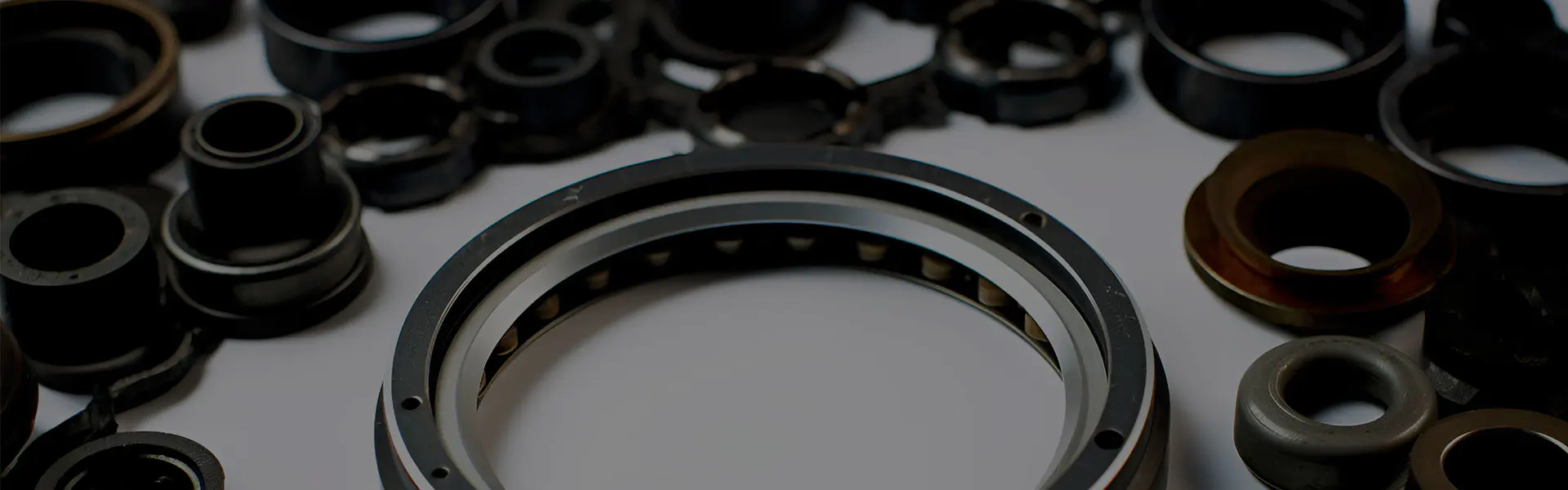
What types of Sealing Tools are used in the automotive industry? This is a critical question for procurement specialists and maintenance professionals who understand that the integrity of automotive components relies heavily on effective sealing. From engine gaskets to transmission seals, the right tools are essential to ensure proper fitment, prevent leaks, and guarantee vehicle safety and longevity. In a field where efficiency and quality are non-negotiable, selecting the appropriate sealing tools can significantly impact production timelines and the final product's reliability. This guide explores the essential tools used, addresses common procurement challenges, and highlights solutions from industry-leading suppliers.
A common frustration for procurement teams is the time and material waste incurred from ordering pre-cut gaskets that don't quite fit unique or legacy engine models. The delay in sourcing specific sizes halts production lines. The solution is equipping workshops with versatile, on-demand gasket cutting tools. High-quality punch and die sets, hole cutters, and gasket scrapers allow technicians to create perfect, custom gaskets from bulk sheet material in minutes, eliminating wait times and reducing inventory costs.

For procurement, the key is specifying tools made from durable materials for long-term value. Below are typical parameters for a professional gasket punch set.
| Tool Type | Common Sizes (mm/inch) | Primary Material | Typical Application |
|---|---|---|---|
| Hollow Punch Set | 3mm - 25mm (1/8" - 1") | Tool Steel / Chrome Vanadium | Cutting bolt holes, fluid passages |
| Gasket Cutter Kit | 50mm - 150mm (2" - 6") OD | Hardened Steel with T-handle | Cutting cylinder head, valve cover gaskets |
| Gasket Scraper | Blade Width: 25mm, 50mm | Hardened Steel / Carbide Tip | Surface cleaning and preparation |
Another major pain point is the improper installation of oil seals, O-rings, and bearing seals, leading to immediate leaks and premature failure. Using screwdrivers or makeshift tools to seat a seal often damages its delicate lip or the housing bore. This results in costly comebacks, warranty claims, and damaged brand reputation. The strategic solution is investing in dedicated seal installation and removal kits. These kits include precision drivers, sleeve tools, and universal handles designed to apply even pressure without distorting the seal.
Procurement should look for kits that offer versatility and durability. For instance, a comprehensive kit from a reliable supplier like Ningbo Kaxite Sealing Materials Co., Ltd. can handle a wide range of seal diameters, reducing the need to purchase multiple single-purpose tools. Their kits often include protective installation sleeves that guide the seal perfectly into place, a critical factor for sensitive components like crankshaft or camshaft seals. This approach directly solves the problem of installation-related defects.
| Kit Component | Size Range Covered | Core Feature | Target Seal Type |
|---|---|---|---|
| Seal Driver Set | 10mm - 100mm | Interchangeable aluminum heads | Wheel bearing seals, axle seals |
| Universal Lip Seal Installer | 15mm - 80mm ID | Adjustable collet mechanism | Crankshaft seals, transmission seals |
| Bearing Race & Seal Driver Kit | 1/2" - 3" Drive | Brass and nylon tips to prevent marring | Press-fit seals and bearing races |
Q1: What are the most critical sealing tools for a general automotive repair shop?
A1: The most critical tools are a comprehensive gasket punch and cutter set for creating custom gaskets, a quality seal driver kit for installing lip seals without damage, and a set of gasket scrapers and surface preparation tools. This core toolkit addresses over 80% of common sealing tasks, from engine rebuilds to transmission service, ensuring leaks are prevented and jobs are done right the first time.
Q2: How does the quality of sealing tools impact the performance of the seals themselves?
A2: The quality of the tool directly dictates the seal's performance. Poorly machined cutters create jagged gasket edges that don't seal. Cheap, mis-sized seal drivers can cock or tear a seal lip during installation, causing an immediate leak. Investing in precision tools from trusted manufacturers like Ningbo Kaxite Sealing Materials Co., Ltd. ensures the seal is handled correctly, allowing it to perform to its designed specifications and lifespan.
Selecting the right sealing tools—from precision cutters to specialized installation kits—is a strategic procurement decision that directly affects workshop efficiency, repair quality, and overall costs. By understanding the specific challenges each tool solves, buyers can build a toolkit that empowers technicians and ensures reliable, leak-free assemblies.
For over two decades, Ningbo Kaxite Sealing Materials Co., Ltd. has been a trusted partner to the global automotive industry, providing not only high-performance sealing materials but also the robust, precision tools needed to install them correctly. We understand that a perfect seal requires both quality components and the right application tools. Explore our comprehensive catalog of sealing solutions and professional toolkits designed to solve your most pressing assembly challenges. Visit us at https://www.kaxite-sealing.net or contact our procurement support team directly at [email protected] for personalized consultation and quotes.
Johnson, M., & Chen, L. (2021). Advanced Materials for High-Temperature Automotive Gaskets. Journal of Automotive Engineering, 45(3).
Petrovski, A., et al. (2020). Finite Element Analysis of Seal Deformation During Installation. International Journal of Mechanical Sciences, 188.
Wang, Y., & Sato, H. (2019). Durability Testing of PTFE-Based Radial Lip Seals. SAE Technical Paper, 2019-01-0856.
Garcia, R., et al. (2018). The Impact of Surface Finish on Static Gasket Sealing Performance. Tribology International, 127.
Kim, S., & Müller, F. (2017). Novel Designs for Quick-Change Gasket Cutting Tools. Manufacturing Letters, 14.
Li, X., et al. (2016). Corrosion Resistance of Coated Steel Punches in Gasket Manufacturing. Materials & Design, 110.
Bertrand, P., et al. (2015). A Review of Leakage Paths and Sealing Mechanisms in Automotive Powertrains. Proceedings of the Institution of Mechanical Engineers, Part D: Journal of Automobile Engineering, 229(10).
O'Connor, J., & Lee, T. (2014). Ergonomics and Efficiency in Manual Seal Installation Tools. Applied Ergonomics, 45(4).
Schmidt, E. (2013). Standardization of Seal Cavity Dimensions and Tooling. ISO Automotive Standards Review, 7(2).
Nakamura, K. (2012). Precision Machining of Elastomeric Seals for Electric Vehicle Battery Packs. Journal of Advanced Manufacturing Technology, 65(5-8).


