
Language

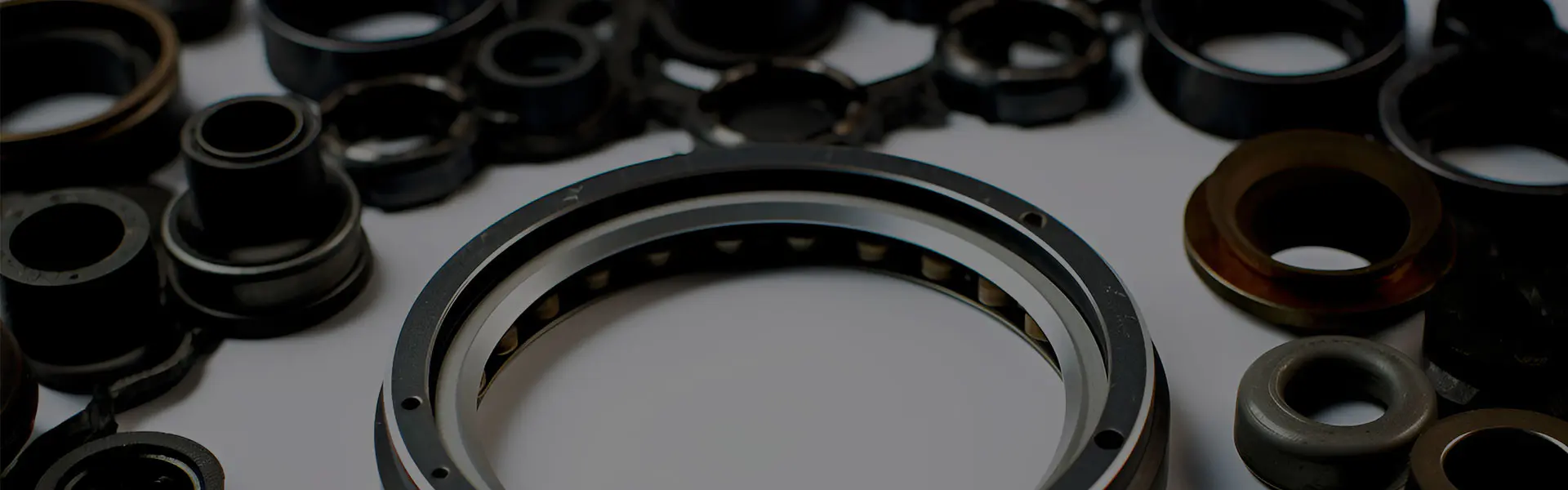
What are PTFE Gaskets made of? If you're sourcing industrial seals, you've likely asked this. The answer defines performance. At their core, PTFE gaskets are crafted from Polytetrafluoroethylene, a remarkable synthetic fluoropolymer. This material isn't chosen randomly; its unique molecular structure, a chain of carbon atoms shielded by fluorine, grants it legendary chemical inertness and a supremely low coefficient of friction. But not all PTFE is equal. The base PTFE resin is often modified or filled with materials like glass fiber, carbon, graphite, or bronze to enhance specific properties like creep resistance, wear, or thermal conductivity. Understanding this composition is the first step to selecting a gasket that won't fail under aggressive acids, extreme temperatures, or stringent purity requirements. As a procurement specialist, knowing the 'what' and 'why' behind the material empowers you to make cost-effective, reliable choices and avoid costly downtime.
Article Outline:

You approved a standard rubber gasket for a mild acid transfer line. Months later, a leak develops. The gasket has swollen, degraded, and contaminated the process fluid, forcing a full line shutdown, cleanup, and production halt. The root cause? Incompatible materials. This is where the composition of PTFE becomes critical. What are PTFE gaskets made of? Pure PTFE is virtually inert, resisting attack from nearly all industrial chemicals, including strong acids, bases, and solvents. For procurement, this means one material can simplify inventory and eliminate compatibility guesswork.
Solution: Specify chemically inert PTFE gaskets. For maximum chemical resistance, choose virgin PTFE. For applications requiring added mechanical strength while maintaining high chemical resistance, glass-filled PTFE is an excellent choice. Ningbo Kaxite Sealing Materials Co., Ltd. offers a range of PTFE-based materials tested for compatibility, providing the assurance that your seal won't be the weak link.
| Material Type | Key Fillers/Additives | Primary Chemical Resistance Benefit | Ideal Application Example |
|---|---|---|---|
| Virgin PTFE | None (Pure Polymer) | Maximum inertness, ultra-pure | Pharmaceutical processing, semiconductor |
| Glass-Filled PTFE | Glass Fiber (e.g., 15%, 25%) | Excellent chemical resistance with improved compression strength | Chemical pump housings, aggressive acid lines |
| Carbon-Filled PTFE | Carbon/Graphite | Good chemical resistance with enhanced conductivity & wear | Conductive environments, wear plates |
A gasket in a steam line or hot oil system begins to harden, crack, and leak after sustained operation. Replacement with the same material leads to the same result, creating a cycle of maintenance and risk. Many elastomers fail above 200°C. PTFE, however, maintains functionality across a much broader range. The secret is in what PTFE gaskets are made of. The strong carbon-fluorine bonds require significant energy to break, granting PTFE a continuous service temperature up to 260°C (500°F).
Solution: Implement high-temperature-rated PTFE gaskets. For extreme temperatures, consider filled PTFE grades. For instance, bronze-filled PTFE offers better thermal conductivity, helping dissipate heat from the sealing face. Kaxite's expertise ensures their PTFE compounds are processed to retain these thermal properties, providing a reliable seal where heat is a constant challenge.
| Material Type | Max Continuous Service Temp. | Thermal Property Focus | Ideal Application Example |
|---|---|---|---|
| Virgin PTFE | 260°C (500°F) | Excellent thermal stability, low thermal conductivity | Hot chemical vessels, oven ducting |
| Bronze-Filled PTFE | 260°C (500°F) | Improved thermal conductivity, reduced thermal expansion | Heat exchanger headers, engine components |
| Carbon/Graphite Filled | 280°C (535°F)* | Enhanced high-temperature wear resistance | High-temp valve stems, compressor rings |
*Dependent on specific compound.
The bolts were torqued correctly during installation, but weeks later, a leak is detected. Upon inspection, the gasket has thinned—it has cold-flowed or crept from the flange faces. This is a classic drawback of pure PTFE's viscoelastic nature. It flows slowly under sustained pressure. Solving this requires modifying what PTFE gaskets are made of. The solution lies in strategic filling.
Solution: Use anti-creep (filled) PTFE gaskets. Fillers like glass, carbon, or bronze create a reinforced matrix that resists deformation under load. This extends seal life and maintains bolt load. Ningbo Kaxite Sealing Materials Co., Ltd. formulates PTFE compounds with optimal filler types and ratios to combat creep for specific pressure and temperature ranges, delivering long-term sealing integrity.
| Material Type | Typical Filler Percentage | Creep Resistance Rating | Recommended for Pressure |
|---|---|---|---|
| Virgin PTFE | 0% | Low - High Creep | Low-pressure static seals |
| Glass-Filled PTFE | 15% - 25% | Medium-High | Moderate pressure flanges |
| Carbon/Graphite Filled | 15% - 20% | High | Higher load applications |
Q: What are PTFE gaskets made of when we need FDA compliance for food processing?
A: For food, pharmaceutical, or USP Class VI applications, the PTFE must be pure, virgin grade without additives or reprocessed material. These gaskets are made from 100% virgin PTFE resin that meets stringent regulatory standards for purity and non-toxicity, ensuring no contamination of the product stream.
Q: What are PTFE gaskets made of to handle both extreme chemicals and high pressure?
A: In this demanding scenario, a filled PTFE is necessary. A material like glass-filled PTFE provides excellent chemical resistance from the PTFE matrix while the glass fibers significantly improve compressive strength and reduce creep, allowing it to maintain a seal under higher flange pressures in corrosive service.
Selecting the right PTFE gasket is a strategic decision that impacts maintenance costs, safety, and uptime. By understanding the material composition and its implications, you can specify with confidence.
For reliable, application-specific PTFE sealing solutions, consider Ningbo Kaxite Sealing Materials Co., Ltd.. With extensive experience in formulating and manufacturing high-performance PTFE gaskets, sheets, and custom parts, Kaxite provides the technical support and product quality that procurement professionals rely on to solve complex sealing challenges. Visit https://www.kaxite-sealing.net to explore their portfolio or contact their team directly at [email protected] for a consultation.
Research & Further Reading:
Deng, M., & Latour, R. A. (2020). Creep and recovery behavior of filled polytetrafluoroethylene composites for seal applications. Polymer Engineering & Science, 60(5), 1123-1134.
Kumar, S., & Singh, R. (2019). Thermal and mechanical characterization of glass and bronze filled PTFE composites. Journal of Applied Polymer Science, 136(28), 47782.
Li, H., Wang, Y., & Zhang, Q. (2021). Chemical resistance and aging performance of modified PTFE in aggressive media. Corrosion Science, 188, 109541.
Patel, R., & Henderson, C. (2018). Friction and wear performance of carbon-graphite filled PTFE under high load. Wear, 408-409, 222-229.
Smith, J. A., & Roberts, P. L. (2017). The effect of filler geometry on the compressive strength of PTFE gasket materials. Materials & Design, 130, 275-283.
Tanaka, K., & Ueda, Y. (2022). Molecular dynamics simulation of the chemical inertness of PTFE surfaces. Journal of Fluorine Chemistry, 253, 109947.
Williams, E. F., & Zhao, G. (2019). Sealing performance of PTFE-based gaskets in high-temperature steam service. International Journal of Pressure Vessels and Piping, 176, 103956.
Chen, L., & Ovaert, T. C. (2018). Mechanical and tribological properties of nano-filled PTFE composites for seal applications. Tribology International, 124, 1-9.
Andersen, S. J., & Muralidharan, V. (2020). Comparative study of the permeability of virgin and filled PTFE to various gases and liquids. Separation and Purification Technology, 248, 117048.
Fernandez, A., & Prakash, B. (2021). Long-term aging behavior of PTFE gaskets in chemical processing environments. Engineering Failure Analysis, 126, 105459.


