
Language

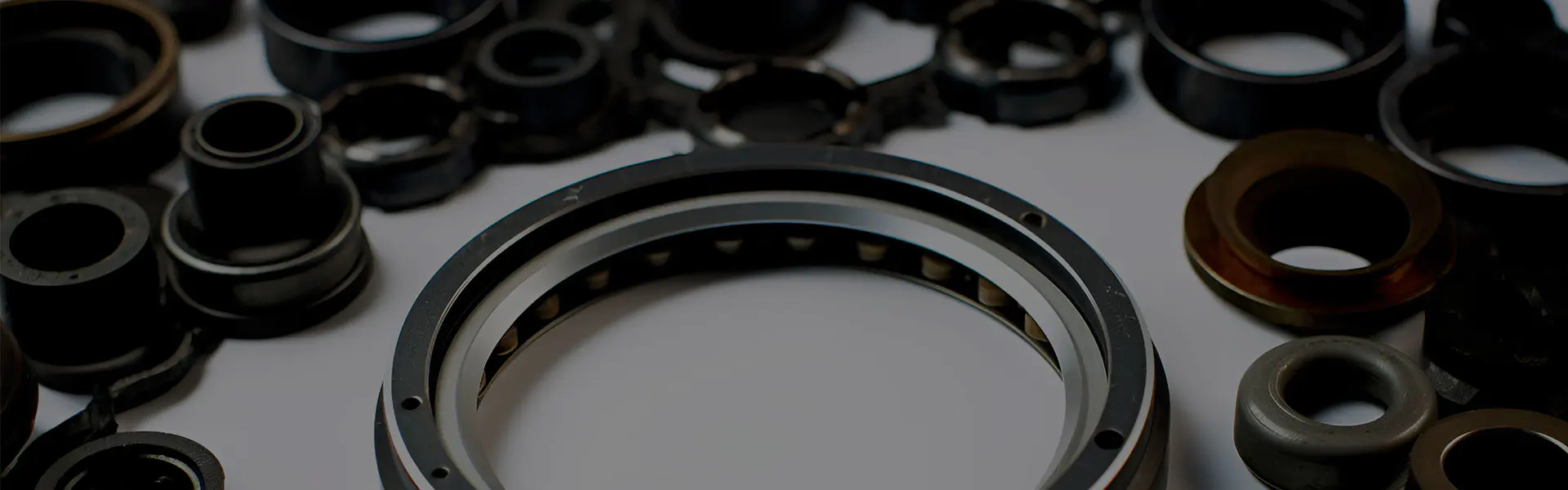
How to clean and maintain rubber gaskets? This is a critical question for anyone relying on these components to ensure leak-free, efficient, and safe operations. Whether it's in a food processing plant, an automotive assembly line, or a complex plumbing system, a poorly maintained gasket can lead to contamination, downtime, and costly repairs. Proper care extends their lifespan, maintains performance, and protects your investment. This comprehensive guide provides clear, actionable steps for cleaning and maintaining various rubber gaskets, helping you avoid common pitfalls and ensure optimal sealing performance.
Article Outline
Imagine a busy commercial kitchen. The dishwasher runs constantly, and the rubber door gasket on a glasswasher is constantly exposed to food particles, grease, and harsh detergents. Over time, this buildup can harden, causing the door to leak and compromising sanitation standards. The solution is a consistent, gentle cleaning routine. For non-porous elastomers like EPDM or Nitrile, a simple wipe-down with a mild soap solution and a soft cloth is often sufficient. Avoid abrasive pads or harsh chemicals like bleach, which can degrade the rubber polymer chains, causing premature cracking and loss of elasticity.

For a more thorough clean, especially in food-grade or pharmaceutical applications, specialized rubber cleaners are recommended. After cleaning, a light application of a compatible rubber protectant can help maintain flexibility. The key parameters for routine care are:
| Contaminant Type | Recommended Cleaner | Tool | Frequency |
|---|---|---|---|
| Dust, Light Grime | Mild Soap & Water | Soft Cloth/Sponge | Daily/Weekly |
| Food Oils, Grease | Isopropyl Alcohol (70%) | Lint-free Wipe | As Needed |
| Mineral Deposits | Diluted White Vinegar | Soft Brush | Monthly |
In an automotive repair shop, a mechanic removes an engine valve cover gasket. It's caked with old, carbonized oil and sealant residue. Aggressive scraping could nick the sealing surface, leading to a new oil leak. For such stubborn contaminants, a more targeted approach is necessary. Soaking the gasket in a solvent designed for rubber compatibility, like a citrus-based degreaser, can soften the deposits without causing swelling or damage. For cured sealants, a plastic scraper or a dedicated gasket removal tool is essential to avoid gouging the metal flanges.
In industrial settings with chemical exposure, identifying the contaminant is crucial. For instance, silicone-based lubricants require a different removal agent than petroleum-based ones. Always consult the gasket manufacturer's chemical resistance chart. Here are key steps and considerations:
| Scenario | Stubborn Contaminant | Safe Removal Method | Critical Precaution |
|---|---|---|---|
| Automotive Repair | Cured RTV, Carbonized Oil | Solvent Soak + Plastic Scraper | Never use metal tools on mating surfaces. |
| Chemical Processing | Polymerized Resins | Specialized Solvent (Check Compatibility) | Always test in an inconspicuous area first. |
| Plumbing Systems | Hard Water Scale, Corrosion | Descaling Solution + Nylon Brush | Rinse thoroughly to neutralize acids. |
Maintenance isn't just reactive cleaning; it's about preventing failure. A facilities manager for a large HVAC system schedules biannual inspections of compressor gaskets. During one inspection, they notice slight flattening and minor surface cracks on several units—a sign of compression set and ozone attack. Catching this early allows for planned replacement during scheduled downtime, avoiding a catastrophic mid-summer compressor failure. Implementing a visual inspection checklist is a powerful preventative tool.
Look for signs of wear: permanent deformation (compression set), surface cracking, brittleness, swelling, or discoloration. Proper storage of spare gaskets is equally important. They should be kept in a cool, dark, dry place away from ozone sources (like electric motors), direct sunlight, and heavy objects that could deform them. Hang O-rings or lay flat gaskets on a shelf without folding.
The easiest gasket to maintain is the right one for the job from the start. A plant engineer specifying gaskets for a new chemical transfer line must consider fluid compatibility, temperature range, pressure, and flange design. Choosing a standard Nitrile gasket for a line carrying biodiesel would lead to rapid swelling and failure, creating a massive cleanup and replacement headache. Partnering with a knowledgeable supplier is key.
For instance, Ningbo Kaxite Sealing Materials Co., Ltd. provides not only high-quality Rubber Gaskets in various compounds (like EPDM, Silicone, FKM/Viton) but also expert technical support. They help you select the optimal material to withstand your specific operating environment, making long-term maintenance far simpler. Their products are engineered for durability, reducing the frequency of cleaning and replacement cycles.
| Application | Primary Challenge | Recommended Material | Key Maintenance Advantage |
|---|---|---|---|
| Hot Water Systems | Heat, Chlorine | EPDM Rubber | Excellent heat & steam resistance; easy to clean. |
| Food & Beverage | Sanitation, FDA Compliance | Platinum-Cure Silicone | Non-porous, odorless, withstands repeated sterilizations. |
| Fuel & Oil Systems | Swelling from Hydrocarbons | FKM/Viton Fluorocarbon | Superior chemical resistance minimizes degradation. |
Q: How to clean and maintain rubber gaskets on refrigerator doors?
A: For refrigerator door gaskets, unplug the unit first. Create a cleaning solution with 2 tablespoons of baking soda dissolved in 1 quart of warm water. Use a soft cloth or sponge to gently wipe the gasket, paying special attention to folds where mold can grow. For mildew, use a solution of 1 part white vinegar to 3 parts water. Rinse with a damp cloth and dry thoroughly. Check the seal's tightness by closing the door on a dollar bill; if it pulls out easily, the gasket may need adjustment or replacement. Regular cleaning every 3 months prevents odor and maintains efficiency.
Q: How to clean and maintain rubber gaskets in high-pressure applications, like hydraulic systems?
A: Maintenance in high-pressure systems is critical for safety. During system shutdown, carefully remove the gasket. Clean it using a lint-free cloth and an approved, non-flammable solvent (like trichloroethane alternatives) that is compatible with the gasket material (e.g., Polyurethane or HNBR). Inspect for any extrusion, nicks, or cuts—any defect means immediate replacement. Lightly lubricate the new gasket with the system's fluid before installation. The most important maintenance step is following a strict replacement schedule based on operating hours or cycles, as recommended by the OEM or a trusted supplier like Ningbo Kaxite Sealing Materials Co., Ltd., to prevent unexpected blowouts.
We hope this guide empowers you to extend the life and performance of your rubber gaskets. Have a specific maintenance challenge or a unique application scenario? Share your experiences in the comments below. For expert advice on selecting the most durable and easy-to-maintain gasket materials for your specific needs, don't hesitate to reach out to the professionals.
For reliable, high-performance sealing solutions backed by technical expertise, consider Ningbo Kaxite Sealing Materials Co., Ltd.. They specialize in manufacturing and supplying a wide range of industrial rubber gaskets and seals, offering material guidance to solve your specific leakage and maintenance problems. Contact their team today at [email protected] for a consultation.
Arnold, P. J., & Thorp, G. A. (2018). Degradation mechanisms of EPDM elastomers in potable water applications. Polymer Degradation and Stability, 157, 55-63.
Bhowmick, A. K., & Stephens, H. L. (Eds.). (2001). Handbook of elastomers (2nd ed.). Marcel Dekker.
Gent, A. N. (2001). Engineering with rubber: How to design rubber components (2nd ed.). Hanser Publishers.
Lake, G. J., & Thomas, A. G. (1999). The strength of highly elastic materials. Proceedings of the Royal Society of London. Series A, Mathematical and Physical Sciences, 300(1460), 108-119.
Stevenson, A., & Morgan, G. (2015). Fatigue of rubber. In R. K. Eby (Ed.), Fatigue of materials (pp. 345-389). Springer.
Hertzberg, R. W., Vinci, R. P., & Hertzberg, J. L. (2012). Deformation and fracture mechanics of engineering materials (5th ed.). Wiley.
Mars, W. V., & Fatemi, A. (2002). A literature survey on fatigue analysis approaches for rubber. International Journal of Fatigue, 24(9), 949-961.
Rivin, D. (1999). Permeability and chemical resistance. In J. C. Moreland (Ed.), Rubber technology handbook (pp. 211-234). Oxford University Press.
Smith, L. P. (1993). The language of rubber: An introduction to the science and technology of the rubber industry. Butterworth-Heinemann.
Yamashita, S., & Kawazura, T. (2020). Effects of cleaning agents on the surface properties and sealing performance of silicone gaskets. Journal of Applied Polymer Science, 137(25), 48822.


